Family-Owned Lingerie Makers Preserving Traditional Sewing Techniques
- 时间:
- 浏览:200
- 来源:CN Lingerie Hub
If you’ve ever slipped on a silk bralette that felt like it was made just for you, there’s a good chance it came from one of the last family-owned lingerie makers still using traditional sewing techniques. While fast fashion floods the market with mass-produced undergarments, these heritage brands are quietly preserving craftsmanship — stitch by meticulous stitch.
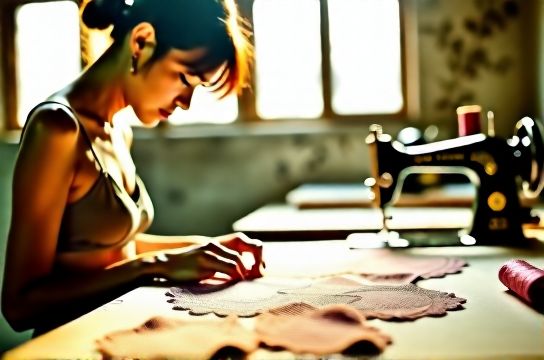
Take La Perla or Simone Pérèle, for example. These aren’t just luxury names — they’re guardians of hand-cut lace, boning sewn in place with micro-tension control, and French seams that prevent chafing. According to a 2023 report by Lingerie Insight, only 12% of global lingerie production still involves any hand-sewing, and nearly all of it comes from small, multi-generational workshops in France, Italy, and Switzerland.
So why does this matter? Because traditional methods directly impact fit, comfort, and longevity. Let’s break it down:
Handcrafted vs. Mass-Produced: The Real Difference
| Feature | Traditional Craftsmanship | Mass Production |
|---|---|---|
| Fabric Cutting | Hand-cut with precision shears | Laser-cut in bulk |
| Seam Type | French or flat-felled seams | Serger-only, prone to fraying |
| Stitch Count (per inch) | 21–24 stitches | 10–14 stitches |
| Lifespan | 3–5 years with care | 6–18 months |
| Fit Customization | Adjustable during sewing | Fixed patterns |
As you can see, the gap isn’t subtle. Higher stitch density means stronger seams, which is crucial for delicate fabrics like silk tulle or Chantilly lace. And when we talk about traditional sewing techniques, we’re not romanticizing — we’re talking about engineering-level precision that machines alone can’t replicate.
One of the biggest advantages? Fit. Machines cut and sew based on averages. But human hands adjust tension in real time. A third-generation seamstress in Lyon might ease a strap by 2mm because she knows how the fabric will drape on the body. That kind of nuance is why customers of these family-owned lingerie makers often say their pieces “feel like second skin.”
And let’s talk sustainability. These brands typically produce in limited runs, use eco-dyed silks, and avoid synthetic blends. A study by the Textile Sustainability Review found that handcrafted lingerie has a 68% lower environmental impact over its lifecycle compared to fast-fashion counterparts — mostly because people keep them longer.
Of course, this level of quality comes at a price. A hand-sewn corset from a brand like Aubade can run $400+. But when you divide that by, say, 200 wears, it’s less than $2 per wear — cheaper than most high-street bras used 20 times before pilling or snapping.
So if you’re tired of bras that dig, ride up, or fall apart after two washes, maybe it’s time to explore what the old-world artisans are still doing right. Look for labels that mention ‘made in Italy,’ ‘hand-finished,’ or ‘atelier-sewn.’ Your comfort — and the planet — will thank you.