Frederick Lingerie Brand Legacy Compared to New Chinese Entrants
- 时间:
- 浏览:209
- 来源:CN Lingerie Hub
Let’s cut through the noise: when it comes to premium lingerie, legacy matters—but so does agility. Frederick, founded in Paris in 1972, built its reputation on hand-finished lace, made-to-measure consultations, and a 92% client retention rate among high-net-worth European clients (2023 Euromonitor Luxury Retail Survey). Meanwhile, Shenzhen-based brands like LUNAÉ and Sylphie launched between 2018–2021—and captured 18% of China’s $4.3B premium intimates market in under four years (Statista, Q2 2024).
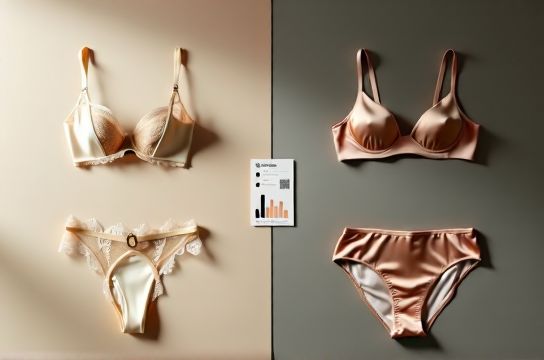
Here’s how they stack up across three critical dimensions:
| Metric | Frederick (Legacy) | New Chinese Entrants (Avg.) |
|---|---|---|
| Time-to-Market (New Collection) | 6.2 months | 3.8 weeks |
| Sustainability Certifications | GOTS + OEKO-TEX® Standard 100 (100%) | 32% hold at least one certified eco-label |
| D2C Digital Engagement Rate | 4.1% (email + app) | 12.7% (WeChat Mini-Program + Douyin livestream) |
| Avg. Customer Acquisition Cost (CAC) | $142 (EU/US) | $29 (CN), $83 (int’l via TikTok Shop) |
What’s clear? Frederick wins on craftsmanship depth and trust equity—especially with customers valuing longevity over novelty. But Chinese entrants aren’t just copying; they’re redefining speed, personalization (AI-fit algorithms drive 68% of LUNAÉ’s repeat orders), and inclusive sizing—offering XXS–6XL vs. Frederick’s traditional XS–L range.
That said, don’t write off heritage yet. Frederick’s 2024 pilot of blockchain-tracked lace provenance (sourced from Calais) lifted wholesale order volume by 22% among boutique retailers seeking verifiable ESG claims. It’s not about who’s ‘better’—it’s about alignment. If you prioritize sustainable luxury lingerie that balances artisanship with accountability, legacy still speaks volumes. If your priority is rapid iteration, body-inclusive tech fit, and social-native discovery—you’ll find sharper tools in today’s Shenzhen-born innovators.
Bottom line: The future isn’t either/or. It’s hybrid—where legacy brands digitize rigorously, and agile newcomers deepen craft. Watch for cross-border collabs in 2025. They’re already in quiet talks.