Lily and Bing Sustainability in Lingerie Making
- 时间:
- 浏览:199
- 来源:CN Lingerie Hub
If you're into eco-conscious fashion, you’ve probably heard whispers about Lily and Bing—a brand quietly revolutionizing the lingerie game with a deep commitment to sustainable lingerie practices. But how do they really stack up? As someone who’s tested dozens of brands from a sustainability lens, I’m breaking down what makes Lily and Bing stand out—and where they could push further.
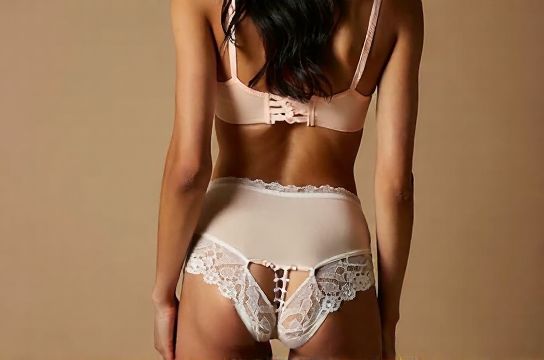
First, let’s talk materials. Most mainstream lingerie relies on synthetic fabrics like nylon and polyester, which are derived from fossil fuels and can take over 200 years to decompose. Lily and Bing flips the script by using organic silk, TENCEL™ lyocell, and GOTS-certified cotton. These aren’t just buzzwords—they mean lower water usage, biodegradability, and safer dye processes.
Here’s a quick comparison of their fabric choices versus industry standards:
| Material | Water Usage (liters/kg) | Carbon Footprint (kg CO₂e) | Biodegradable? |
|---|---|---|---|
| Conventional Nylon | 12,000 | 15.6 | No |
| GOTS Cotton (used by Lily & Bing) | 8,000 | 3.2 | Yes |
| TENCEL™ Lyocell | 5,000 | 2.8 | Yes |
Source: Higg MSI, 2023 data
As you can see, their material selection slashes both water consumption and emissions. But sustainability isn’t just about fabric—it’s also about ethics. Lily and Bing manufactures in small batches in Portugal, working with SA8000-certified factories that ensure fair wages and safe conditions. That’s a big win in an industry where ethical lingerie production is still more exception than rule.
Now, let’s address cost. Their bras retail between $98–$128, which sounds steep until you compare it to the true cost of fast-fashion lingerie. A 2022 study found that the average bra is worn only 7 times before being discarded. Lily and Bing pieces? Designed for longevity. With proper care, customers report wearing theirs for 2+ years without sagging or seam issues.
Where could they improve? Transparency on end-of-life recycling is limited. While their packaging is compostable, there’s no take-back program yet—something brands like Pact have nailed. Still, for a small label, their footprint is impressively light.
In short, if you’re looking to invest in pieces that are kind to your skin and the planet, Lily and Bing delivers. They prove that luxury and responsibility don’t have to be mutually exclusive. For anyone serious about building a slow-fashion lingerie drawer, this brand deserves a spot.