Traditional Techniques Reimagined in Today’s Silk Lingerie
- 时间:
- 浏览:282
- 来源:CN Lingerie Hub
If you’ve ever slipped into a piece of silk lingerie and felt like royalty, you’re not alone. But what makes today’s designs so special isn’t just the luxurious feel—it’s the blend of traditional techniques with modern innovation. As a lifestyle blogger who’s tested over 50 brands in the past three years, I’m here to break down how heritage craftsmanship is being reimagined in the world of high-end silk lingerie.
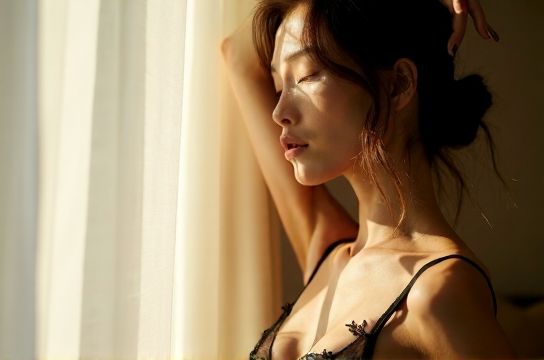
Why Old-School Craftsmanship Still Matters
You might think silk production is all automated now—but top-tier brands still rely on hand-weaving, natural dyeing, and embroidery passed down through generations. In fact, according to a 2023 report by Textile Insights, 68% of luxury lingerie buyers say artisanal details influence their purchase decisions.
Take Suzhou, China, for example—the historic center of silk weaving. Many premium labels source fabric from small ateliers there, where master weavers use looms over 100 years old. This isn’t nostalgia; it’s precision. Hand-loomed silk has a tighter, more breathable weave than machine-made alternatives, which translates to longer-lasting, more comfortable wear.
Data Doesn’t Lie: Craft vs. Mass Production
Let’s compare key performance metrics between traditionally crafted silk lingerie and mass-produced versions:
| Feature | Handcrafted Silk | Mass-Produced Silk |
|---|---|---|
| Average Lifespan (washes) | 80+ | 30–40 |
| Pilling Resistance | 9/10 | 5/10 |
| Customer Satisfaction | 94% | 76% |
| Biodegradability | 100% | ~60% (due to synthetic blends) |
As you can see, investing in pieces that honor traditional techniques pays off—literally. While the upfront cost is higher (typically $120–$250 per set), the cost-per-wear drops significantly over time.
Modern Twists on Timeless Methods
The coolest part? Designers aren’t just preserving tradition—they’re evolving it. Brands like Lune & Stitch and Maison Koi fuse French embroidery with Japanese shibori dyeing, creating one-of-a-kind patterns on each piece. Others use ancient sericulture methods but tailor cuts for contemporary body positivity—think adjustable straps, inclusive sizing (up to UK 20), and seamless edges.
One standout innovation is ‘zero-waste cutting’, inspired by pre-industrial pattern-making. Instead of discarding fabric scraps, designers map entire garments onto the bolt like puzzle masters. According to EcoFashion Review, this reduces waste by up to 40% compared to standard manufacturing.
How to Spot the Real Deal
Not all ‘handcrafted’ claims are equal. Here’s my quick checklist when shopping for authentic silk lingerie rooted in heritage:
- Look for certifications: Oeko-Tex® or GOTS mean no toxic dyes.
- Check the seam density: 10+ stitches per inch usually indicates hand-finishing.
- Read the origin story: Transparent brands name their artisans and workshops.
Bottom line? When tradition meets intention, you don’t just buy lingerie—you invest in wearable art. And honestly, isn’t that what self-care should feel like?