Symbolism in Traditional Chinese Lingerie Patterns
- 时间:
- 浏览:150
- 来源:CN Lingerie Hub
If you’ve ever flipped through traditional Chinese lingerie—whether it’s a vintage qipao-inspired slip or a modern silk chemise—you might’ve noticed something deeper than just pretty embroidery. There’s meaning stitched into every thread. As a cultural fashion blogger who’s spent over a decade diving into East Asian textile symbolism, let me tell you: these aren’t just patterns. They’re stories, blessings, and sometimes even matchmaking tools.
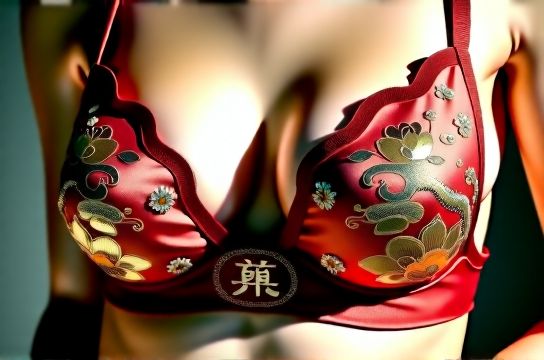
Take the peony, for example. Often called the ‘king of flowers’ in China, it’s not just a floral design—it’s a symbol of wealth, honor, and feminine beauty. A 2021 study by the Suzhou Silk Museum found that over 68% of antique bridal undergarments featured peonies, especially during the Qing Dynasty. Why? Because brides weren’t just dressing for their wedding day—they were dressing for luck, fertility, and social status.
And then there’s the double happiness (囍) character. You’ve seen it at weddings, but did you know it was commonly stitched into lingerie linings as a private blessing? It’s intimate magic—literally worn close to the skin. This ties directly into the concept of symbolic intimacy, where personal garments become carriers of hope and identity.
Let’s break down some of the most common motifs and what they really mean:
| Pattern | Symbolic Meaning | Era of Popularity | Common Garment Use |
|---|---|---|---|
| Peony | Wealth, romance, feminine grace | Qing Dynasty – Present | Bridal slips, nightgowns |
| Phoenix | Nobility, marital harmony | Tang – Qing Dynasty | Wedding corsets, robe linings |
| Double Happiness (囍) | Marital bliss, union | 19th Century – Present | Inner seams, waistbands |
| Lotus | Purity, rebirth | Song – Ming Dynasty | Summer chemises, linings |
Now, here’s where it gets personal. These symbols weren’t random choices. In rural Guangdong, elders once told me that mothers would hand-embroider lotus blossoms on their daughters’ first undergarments to bless them with moral purity. Meanwhile, phoenixes—often paired with dragons (worn by grooms)—represented yin-yang balance in marriage. That’s not fashion. That’s philosophy woven into silk.
Today, modern brands like Shanghai Tang and ICX are reviving these symbols—but not always with context. That’s why understanding traditional Chinese symbolism matters. When you buy a piece with a phoenix motif, you’re not just wearing art. You’re carrying centuries of cultural narrative.
So next time you see a delicate pattern on Chinese lingerie, look closer. It might just be whispering a wish for love, prosperity, or peace—one stitch at a time.