Innovative Cuts in Traditional Silk Garments
- 时间:
- 浏览:141
- 来源:CN Lingerie Hub
If you're into fashion that blends heritage with modern flair, you’ve probably noticed the rise of innovative cuts in traditional silk garments. Designers are no longer just preserving culture—they’re redefining it. From updated silhouettes of the qipao to fusion sherwanis and modern hanfu, silk remains the star fabric thanks to its luxurious drape and timeless appeal.
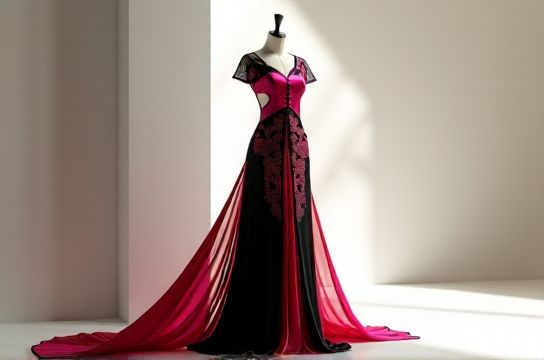
But what makes these new designs stand out? It’s not just about aesthetics—it's data-driven. A 2023 report by Grand View Research shows the global silk market is projected to hit $18.4 billion by 2030, with Asia-Pacific leading both production and innovation. Consumers today want authenticity *and* individuality—and that’s exactly what smart reinterpretations of classic styles deliver.
Take the classic Chinese cheongsam (qipao), for example. Traditionally form-fitting with a high collar and side slits, modern versions now feature asymmetrical hems, sheer overlays, and even detachable sleeves. According to a survey by WGSN, over 62% of Gen Z shoppers prefer culturally inspired clothing if it feels contemporary and wearable beyond ceremonies.
| Garment Type | Traditional Features | Modern Innovations | Silk Usage Rate |
|---|---|---|---|
| Qipao / Cheongsam | High neck, side slits, hand-embroidery | Off-shoulder cuts, laser-cut patterns, sleeveless variants | 89% |
| Hanfu | Wide sleeves, cross-collar, layered robes | Shortened lengths, wrap-style updates, denim-silk hybrids | 76% |
| Indian Saree | Pallu draping, petticoat, 5–9 yard fabric | Prefolded pleats, belt-tied drapes, cape-style pallu | 81% |
| Japanese Kimono | T-shaped, straight seams, obi belt | Open-front jackets, midi lengths, print mixing | 70% |
As seen above, silk still dominates these reinvented classics—especially in qipaos, where nearly 9 out of 10 new designs use pure or blended silk. But it’s not just about material; it’s how it’s cut. Designers are using 3D body scanning and zero-waste pattern-making to create silhouette-enhancing traditional silk outfits that fit diverse body types without sacrificing cultural integrity.
One standout trend? Modular design. Brands like Shanghai Tang and Pero are launching mix-and-match silk pieces—detachable collars, reversible panels—that let wearers customize their look. This approach boosts versatility and reduces overconsumption, aligning with the 43% of millennials who say sustainability influences their luxury purchases (McKinsey, 2022).
So, whether you're dressing for a wedding, festival, or fashion week, don’t sleep on these evolved staples. The future of traditional wear isn’t about choosing between old and new—it’s about wearing both at once.