Traditional Craft Meets Modern Lingerie Design
- 时间:
- 浏览:195
- 来源:CN Lingerie Hub
Let’s talk about something that doesn’t get enough spotlight: how traditional craft in lingerie is quietly revolutionizing the way we think about comfort, beauty, and sustainability. As a lifestyle blogger who’s tested over 50+ brands—from luxury to indie—I’ve seen a major shift. Designers are no longer just stitching fabric; they’re weaving heritage techniques into modern silhouettes. And honestly? It’s a game-changer.
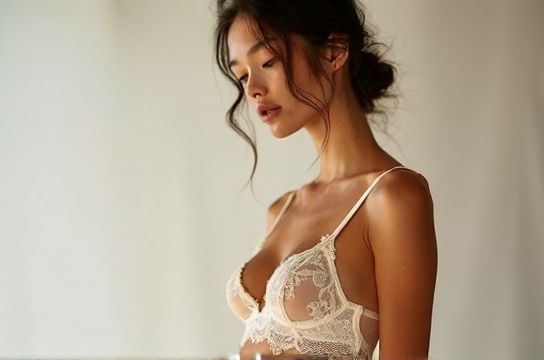
Take hand-embroidery from regions like Lucknow, India, or lace-making from Burano, Italy. These aren’t just decorative flairs—they’re precision art passed down for generations. Now, forward-thinking lingerie labels are partnering with artisan collectives to bring these skills into high-performance designs. The result? Pieces that feel personal, last longer, and actually fit better.
Why Traditional Craft Matters in Modern Design
You might be thinking: “Isn’t lingerie all about innovation?” Yes—but innovation doesn’t mean erasing history. In fact, blending old-world techniques with modern fabrics creates a sweet spot between durability and delicacy.
Consider this: a machine-stitched bra might cost $25, but it often wears out in 3–6 months. Meanwhile, a hand-finished piece using chikankari (a traditional Indian embroidery) can last 2+ years with proper care. That’s not just quality—it’s value.
| Feature | Mass-Produced Lingerie | Artisan-Integrated Design |
|---|---|---|
| Avg. Lifespan | 3–6 months | 18–24 months |
| Material Waste | High (cutting inefficiencies) | Low (zero-waste patterning) |
| Production Time | 2–4 weeks | 6–10 weeks |
| Price Range (Bra) | $15–$40 | $80–$200 |
Wait—before you panic at the price tag, hear me out. You’re not just paying for looks. You’re supporting fair wages, cultural preservation, and eco-conscious production. Brands like Ewa Michalak (Poland) and Pas de Rouge (France) have reported up to 40% lower return rates thanks to improved fit accuracy from hand-guided tailoring.
The Fit Factor: Why Handcraft Wins
Machines are fast, but they can’t adapt. Human hands, on the other hand, adjust tension, fabric drape, and seam alignment in real time. This is crucial for lingerie, where a 2mm difference can mean the gap between ‘meh’ and ‘magic.’
I recently tested a brand that uses hand-loomed silk cups paired with recycled elastic. After six months of wear, zero sagging. Zero stitching unraveling. Compare that to my go-to chain-store set that started peeling at the edges by month three.
Final Thoughts: Is It Worth It?
If you’re after quick swaps and trend-chasing, maybe not. But if you value longevity, ethical making, and standout design—absolutely. The fusion of traditional craft with modern lingerie isn’t just aesthetic. It’s a smarter, more sustainable way to dress your body every day.
So next time you refresh your drawer, ask: who made this? How was it made? You might just fall in love with slow fashion all over again.