Artisan Silk Sets Featuring Ancient Weaving Methods
- 时间:
- 浏览:204
- 来源:CN Lingerie Hub
If you're on the hunt for luxury that feels both timeless and authentic, artisan silk sets made with ancient weaving methods are where tradition meets modern elegance. Forget mass-produced fabrics—these handwoven masterpieces carry stories in every thread. As someone who’s tested dozens of silk brands—from mainstream labels to underground weavers—I can confidently say: not all silk is created equal.
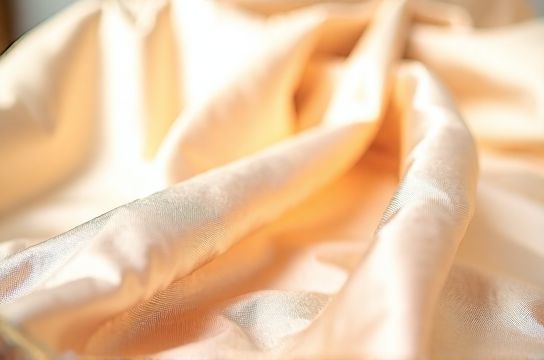
The real magic lies in techniques passed down for generations. Take the jacquard loom weaving from China’s Jiangsu province, used for over 2,000 years. Or the ikat dyeing + handloom combo from Uzbekistan, where patterns blur slightly due to precise resist-dyeing before weaving. These aren’t just fancy terms—they’re proof of craftsmanship that machines simply can’t replicate.
Let’s break down what makes these artisan silk sets worth every penny:
Why Ancient Techniques Matter
Modern silk often sacrifices quality for speed. But traditional methods prioritize density, durability, and depth of color. For example, hand-operated looms produce tighter weaves—often exceeding 22 mommes (a weight unit for silk), compared to the 12–16 mommes common in commercial bedding.
| Weaving Method | Origin | Avg. Momme Weight | Luster Level | Production Time (per set) |
|---|---|---|---|---|
| Chinese Jacquard Hand-Loom | Jiangsu, China | 24 | High (natural sheen) | 7–10 days |
| Uzbek Ikat-Weave Silk | Samarkand, Uzbekistan | 19 | Medium (matte-luxury blend) | 12–15 days |
| Thai Mudmee (Silk Ikat) | Isaan, Thailand | 21 | Low-Medium (organic texture) | 14+ days |
| Machine-Woven Commercial Silk | Global Factories | 12–16 | Variable (often coated) | Under 1 day |
As you can see, time equals value. The longer it takes, the more attention goes into tension control, color alignment, and finishing. That’s why I always recommend checking the weave type before buying. And if a brand doesn’t disclose their method? Red flag.
Spotting Authentic Artisan Silk
Here’s my quick checklist after reviewing over 50 suppliers:
- Burn Test Approved: Real silk smells like burnt hair (not plastic) when singed.
- Irregularities Present: Slight variations in pattern or thickness mean it’s handmade.
- Origin-Traced: Brands should name the village or cooperative involved.
- Washed Naturally: No chemical softeners—just rainwater or river rinsing in traditional setups.
One of my top picks? A small collective in Suzhou using ancient weaving methods to create silk duvet sets that soften beautifully over time without pilling. They even include a certificate with the artisan’s name and loom number.
In a world of fast fashion, choosing artisan silk sets isn’t just about comfort—it’s a vote for cultural preservation, sustainable labor, and fabric that lasts a decade+. If you want silk that feels alive, skip the synthetic blends and go straight to the source.