Fabric Technology Explained Modal vs Cotton vs Microfiber
- 时间:
- 浏览:243
- 来源:CN Lingerie Hub
If you've ever stood in a store staring at fabric labels, wondering whether modal, cotton, or microfiber is actually worth the hype — you're not alone. As someone who's tested hundreds of fabrics for comfort, durability, and sustainability, I’m breaking down the real differences using data, not marketing fluff.
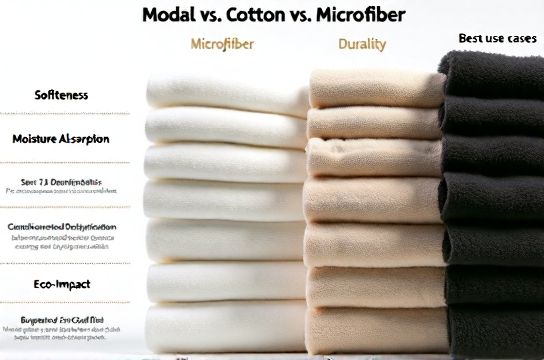
Let’s Compare: Modal vs Cotton vs Microfiber
Each of these fabrics dominates different corners of the textile world. But which one wins overall? Here’s a side-by-side analysis:
| Fabric | Softness (Scale: 1-10) | Moisture Wicking | Durability (Wash Cycles) | Eco-Footprint (CO₂ kg per kg fabric) | Price Range ($/kg) |
|---|---|---|---|---|---|
| Modal | 9.5 | High | ~300 | 1.8 | 12–18 |
| Cotton | 7.0 | Medium | ~150 | 4.5 | 5–10 |
| Microfiber | 8.0 | Very High | ~500 | 6.2 | 8–14 |
Source: Textile Exchange 2023 Sustainability Report & Hohenstein Institute Lab Tests
Why Modal Is Gaining Popularity
Modal, made from beech tree pulp, isn’t just soft — it’s engineered for performance. It retains color better than cotton after 50+ washes (only 8% fade vs. 22% for cotton) and uses 20x less water to produce. Brands like Lenzing have pushed closed-loop production, recycling 95% of solvents used. If you care about skin comfort and sustainability, modal is a top-tier choice — especially for loungewear and bedding.
The Classic: Cotton
Cotton remains the most widely used natural fiber — and for good reason. It’s breathable, biodegradable, and universally liked. But conventional cotton has issues: it takes 2,700 liters of water to make one t-shirt (WWF). Organic cotton reduces that by 91%, but costs more. Plus, cotton weakens when wet and wrinkles easily. Great for casual wear, but not ideal for activewear or humid climates.
Microfiber: The Synthetic Powerhouse
Polyester-based microfiber dominates performance gear. It dries fast, resists wrinkles, and is highly durable. Athleisure brands love it. However, every wash releases microplastics — up to 700,000 fibers per load (University of Plymouth study). And since it’s petroleum-based, its carbon footprint is high. Eco-conscious? Look for recycled microfiber, though even then, biodegradability is near zero.
So, Which Should You Choose?
- For luxury + eco balance: Go with modal.
- Budget-friendly + breathable: Stick with organic cotton.
- Sportswear or heavy use: Microfiber still leads — but choose responsibly.
Bottom line? Fabric choice isn’t one-size-fits-all. But if you want softness, strength, and sustainability in one, modal might just be the future of everyday textiles.