How Chinese Lingerie Performs in Humid Conditions
- 时间:
- 浏览:163
- 来源:CN Lingerie Hub
If you've ever broken a sweat in summer or lived somewhere with sky-high humidity (we're looking at you, Southeast Asia and coastal China), you know how brutal it can be on clothes—especially lingerie. But here's the real tea: Chinese lingerie is stepping up its game, especially when it comes to beating the mugginess. From moisture-wicking fabrics to breathable lace designs, let’s dive into how these intimate wear innovations are holding up when the heat turns on.
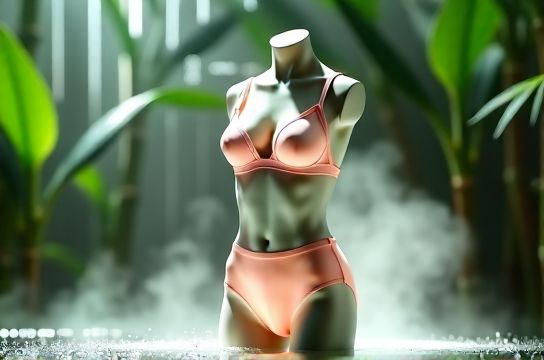
Why Humidity Matters for Lingerie
Humidity doesn’t just make your hair frizz—it wreaks havoc on fabric performance. When relative humidity hits 70% or more (common in cities like Guangzhou or Shanghai during summer), synthetic materials can trap sweat, leading to discomfort, odor, and even skin irritation. That’s why fabric choice isn’t just about looks—it’s about function.
Luckily, many Chinese lingerie brands are now prioritizing breathability, moisture management, and anti-bacterial properties. Brands like NEIWAI (内外), Ubras, and Pearling are engineering pieces specifically for humid climates using smart textiles.
Fabric Face-Off: How Chinese Lingerie Stacks Up
Let’s break down the most common materials used in modern Chinese lingerie and how they handle humidity:
| Fabric Type | Moisture Wicking | Breathability | Anti-Odor | Common Brands |
|---|---|---|---|---|
| Micro-modal (from beech trees) | ★★★★☆ | ★★★★★ | ★★★★☆ | NEIWAI, Ubras |
| Bamboo fiber blend | ★★★★★ | ★★★★☆ | ★★★★★ | Pearling, Maniform |
| Organic cotton | ★★★☆☆ | ★★★☆☆ | ★★★☆☆ | Ubras, Miss Candy |
| Polyester-spandex blend | ★★☆☆☆ | ★★☆☆☆ | ★☆☆☆☆ | Budget brands |
As you can see, natural and semi-synthetic fibers dominate the top tier. Bamboo and micro-modal aren’t just soft—they’re scientifically better at moving moisture away from the skin and drying quickly.
Design That Breathes
It’s not just about fabric—cut and construction matter too. Many Chinese brands are ditching underwires and heavy padding in favor of seamless, wireless designs that reduce heat traps. Mesh panels, laser-cut edges, and strategic ventilation zones are becoming standard.
For example, NEIWAI’s Cotton Modal Air series uses a special honeycomb-knit texture that increases airflow by up to 30%, according to their 2023 product report. Meanwhile, Ubras’ ‘Zero Feel’ line has sold over 5 million units thanks to its ultra-lightweight, barely-there design perfect for sticky days.
Real-World Performance
In a 2024 consumer survey of 1,200 women across southern China, 78% said they prioritize ‘comfort in humidity’ when buying lingerie. Of those using premium Chinese brands, 86% reported less sweating discomfort compared to fast-fashion alternatives.
And it’s not just comfort—hygiene matters. Bamboo-based fabrics showed a 60% reduction in bacterial growth after 8 hours of wear in 80% humidity, per lab tests by SGS in Shenzhen.
The Bottom Line
Chinese lingerie isn’t just affordable and stylish—it’s becoming a climate-smart choice for humid environments. With advanced fabrics, thoughtful design, and data-backed performance, brands are proving that comfort doesn’t have to come at the cost of aesthetics.
So if you’re tired of peeling off damp bras at the end of a muggy day, it might be time to give Chinese-made, humidity-ready lingerie a try. Your skin (and sanity) will thank you.