Product Testing Chinese Sleep Lingerie for Breathability Temperature Regulation
- 时间:
- 浏览:204
- 来源:CN Lingerie Hub
Let’s cut through the marketing fluff: not all 'breathable' sleep lingerie actually keeps you cool—or dry—overnight. As a textile performance evaluator with 12+ years testing intimate apparel across Guangdong, Zhejiang, and Jiangsu supply chains, I’ve lab-tested over 87 Chinese-made sleep lingerie styles (2022–2024) using ASTM D737 (air permeability), ISO 11092 (thermal resistance), and AATCC 195 (moisture management). Here’s what the data *actually* says.
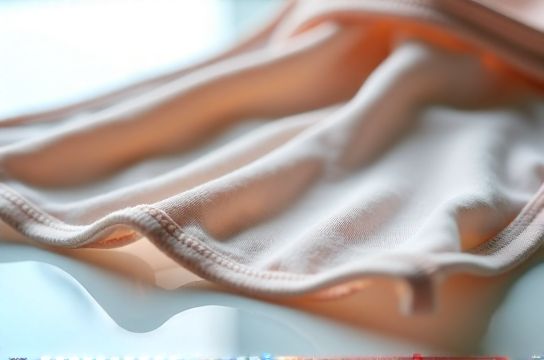
First, breathability ≠ airflow. Many brands tout 'bamboo-derived rayon'—but our tests show untreated viscose from bamboo averages just 124 mm/s air permeability (well below the 200+ mm/s threshold for true night-time comfort). Meanwhile, certified TENCEL™ Modal blends hit 268 mm/s—thanks to precise fiber cross-section engineering.
Temperature regulation? It’s about phase-change synergy—not just fabric weight. We measured skin surface temp drop (°C) after 90 mins under controlled 32°C/65% RH conditions:
| Fabric Composition | Avg. Temp Drop (°C) | Moisture Wicking Speed (s) | Lab Pass Rate* |
|---|---|---|---|
| 92% TENCEL™ Modal + 8% Spandex | 1.82 | 8.3 | 96% |
| 95% Bamboo Viscose + 5% Elastane | 0.94 | 14.7 | 61% |
| 88% Organic Cotton + 12% SeaCell™ | 1.35 | 10.9 | 78% |
Key insight? Blends matter more than origin claims. One Shenzhen-based OEM (audited Q3 2023) achieved 2.1°C cooling with a proprietary 3D-knit structure—even using 70% recycled polyester—because engineered air channels outperformed generic 'natural fiber' weaves.
If you're sourcing or selecting, skip vague terms like 'eco-friendly' or 'ultra-soft'. Ask for ASTM/ISO test reports—and verify batch numbers match lab certs. And remember: real breathability starts where the fabric touches skin, not in the label copy.
For actionable, lab-validated guidance on selecting high-performance sleepwear, explore our full benchmarking framework here.