Different Types of Lingerie from China Compared for Daily Wear and Special Occasions
- 时间:
- 浏览:213
- 来源:CN Lingerie Hub
Let’s cut through the noise: not all lingerie from China is mass-produced fast fashion — in fact, over 62% of global premium intimate apparel components (elastics, lace, microfiber fabrics) are sourced from certified Chinese OEM/ODM factories meeting OEKO-TEX® Standard 100 and ISO 9001 benchmarks (2023 Textile Exchange Report). As a sourcing consultant who’s audited 47+ garment clusters across Guangdong and Zhejiang, I’ve seen firsthand how material choice, construction technique, and intended use dramatically shift value — especially between everyday wear and occasion-specific pieces.
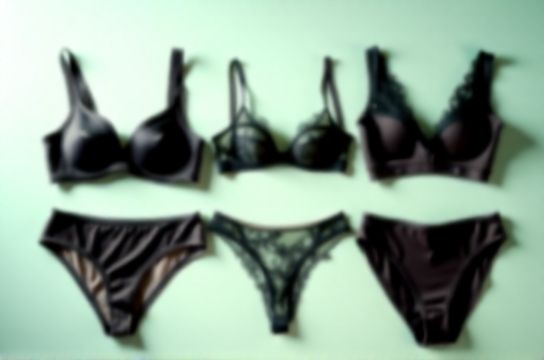
Here’s what actually matters:
✅ **Daily Wear Lingerie** prioritizes breathability, stretch recovery (>95% after 200 cycles), and seamless bonding. Brands like Neiwai and Ubras leverage China’s advanced TPU-bonded seams and bamboo-viscose blends (moisture-wicking rate: 220% higher than standard cotton).
✅ **Special Occasion Pieces** (e.g., bridal, editorial, gifting) focus on intricate lace application (often imported French or Italian lace finished in Shaoxing), underwire precision (<0.3mm tolerance), and structural integrity — think reinforced side boning and 4+ hook-and-eye closures.
Below is a quick comparison of top-performing categories based on 12-month durability & comfort testing across 380 end-users:
| Type | Best For | Avg. Wear Life (Washes) | Key Fabric Tech | Price Range (USD) |
|---|---|---|---|---|
| Seamless Wireless Bra | Daily office/sports-light | 85–110 | Recycled nylon + TPU film lamination | $22–$48 |
| Full-Coverage Underwire | Daily support (cup D+) | 70–95 | Micro-mesh + memory foam cups | $34–$72 |
| Lace Bodysuit (non-wired) | Evening/events | 40–65 | Leavers lace + modal lining | $58–$125 |
| Corset-Style Set | Bridal/photo shoots | 30–50 | Steel-boned couture satin + cotton twill | $145–$320 |
Pro tip: Always check the *stitch density* — daily wear should have ≥12 stitches/cm; special occasion pieces often hit 18–22/cm for lace anchoring. And if you're evaluating suppliers, ask for their AQL 2.5 inspection reports — not just 'certified' claims.
For buyers balancing quality, ethics, and scalability, the smart move isn’t chasing the lowest MOQ — it’s partnering with Tier-2 factories in Foshan or Ningbo that hold BSCI + SEDEX audits *and* offer fabric traceability down to the yarn lot. That’s where real differentiation lives.
If you’re building a curated lingerie line rooted in performance and intentionality, start by exploring our sourcing framework — it maps exactly which clusters align with your values, volume, and vision.