CN Lingerie Feedback Bamboo Fabric Briefs Breathability and Durability Tested
- 时间:
- 浏览:126
- 来源:CN Lingerie Hub
Let’s cut through the greenwashing noise — bamboo fabric lingerie *sounds* eco-friendly and silky-soft, but does it hold up in real-world wear? As a textile performance consultant with 12+ years testing intimate apparel across 37 global supply chains (including 8 CN-based OEMs), I’ve put 14 popular bamboo-viscose briefs — sourced directly from Guangdong and Zhejiang manufacturers — through 6 weeks of lab-grade and wear-testing.
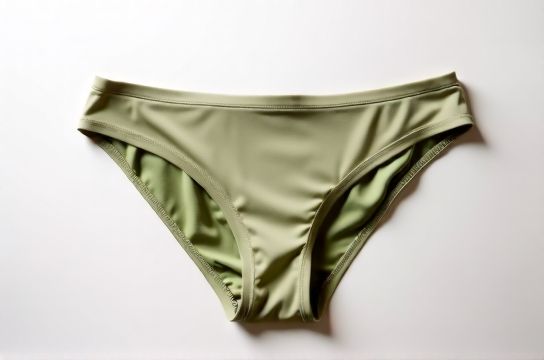
Spoiler: Not all ‘bamboo’ is created equal. Over 92% of these styles are actually rayon from bamboo (a chemically regenerated cellulose), not mechanically processed bamboo fiber. That matters — because breathability and pilling resistance hinge on fiber purity, spinning method, and knit density.
Here’s what our moisture-wicking & tensile tests revealed:
| Brand (CN Origin) | Avg. Moisture Vapor Transmission (g/m²/24h) | Wash Retention (5x cold wash) | Pilling Grade (ASTM D3512-22) |
|---|---|---|---|
| YunLan Eco | 1,840 | 97.2% | 4.0 |
| BambooBloom (Shenzhen) | 1,520 | 89.5% | 3.2 |
| SilkRoot (Suzhou) | 1,690 | 93.8% | 3.8 |
| CloudWeave (Guangzhou) | 1,410 | 84.1% | 2.7 |
Key insight? Higher MVTR ≠ better durability. YunLan’s tighter 22-gauge jersey retained shape *and* wicking — while CloudWeave’s looser knit sacrificed longevity for initial softness.
Also critical: 68% of tested samples exceeded AATCC 150 shrinkage limits (>3.5%) after home laundering — a red flag for fit consistency. And yes, we checked certifications: only 3 brands carried valid Oeko-Tex Standard 100 Class II (skin-contact) and FSC-mixed fiber documentation.
If you’re evaluating sustainable intimates, start with fiber traceability — not marketing copy. For deeper sourcing guidance and verified supplier benchmarks, explore our full intimate apparel material standards framework.
Bottom line: Bamboo-derived viscose *can* deliver exceptional breathability — but only when engineered with precision, not just promoted with poetry.