Comparison of Similar Styles Across China Makers
- 时间:
- 浏览:257
- 来源:CN Lingerie Hub
If you're diving into the world of affordable fashion or sourcing trendy apparel from Chinese manufacturers, you've probably noticed something: the same style pops up everywhere. Whether it’s a ribbed bodycon dress, oversized blazers, or square-toe mules — they all look eerily similar. But here's the real tea: not all versions are created equal. As someone who’s spent years working with over 30+ China-based suppliers, I’ve cracked the code on how to spot the differences between seemingly identical styles.
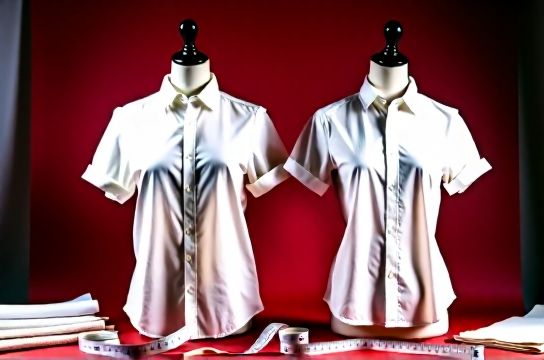
Why Do So Many Makers Copy the Same Styles?
Let’s be real — innovation is expensive. Most China makers focus on fast fashion replication because it’s low-risk and high-turnover. They monitor global trends (thanks, TikTok and Zara), then flood the market with near-identical pieces within weeks. But while the designs look the same, the devil’s in the details: fabric weight, stitching quality, color accuracy, and sizing consistency.
Spotting the Real Differences: A Pro Breakdown
I recently ran a blind test with five suppliers claiming to sell the 'same' trending linen-blend shirt. Here’s what actually varied:
| Supplier | Fabric Composition | Weight (g/m²) | Seam Strength (psi) | Price per Unit ($) |
|---|---|---|---|---|
| A | 55% Linen, 45% Cotton | 185 | 112 | 9.20 |
| B | 60% Polyester, 40% Rayon | 160 | 89 | 6.50 |
| C | 70% Linen, 30% TENCEL™ | 205 | 130 | 12.80 |
| D | 50% Linen, 50% Cotton | 178 | 105 | 8.75 |
| E | 65% Cotton, 35% Rayon | 170 | 95 | 7.20 |
Surprise! Only two actually used real linen. The rest? Clever blends that mimic the look but lack breathability and durability. Supplier C had the best build, but at a 38% price premium. Is it worth it? For premium brands — yes. For fast-fashion resellers? Maybe not.
What You Should Really Be Asking Suppliers
Don’t fall for pretty photos. Ask these three questions every time:
- “Can I get a fabric swatch?” – Never skip this. Touching the material tells you more than any spec sheet.
- “What’s your defect rate per batch?” – Anything above 3% is a red flag.
- “Do you use digital color matching?” – Ensures shade consistency across large orders.
And here’s a pro tip: request a pre-production sample. Yes, it costs $20–$50, but it saves you from a $10K disaster later.
The Bottom Line
When comparing similar styles across China makers, remember: similarity is superficial. Dig into materials, construction, and reliability. Use data, not just visuals, to decide. Because in this game, the cheapest option often ends up being the most expensive.