CN Lingerie Feedback on Tag Comfort and Placement
- 时间:
- 浏览:233
- 来源:CN Lingerie Hub
Let’s talk about something we all feel but rarely discuss — the tag in your lingerie. Is it itchy? Does it rub? Or is it so seamless you forget it's even there? We dug into real user feedback across China’s booming lingerie market to uncover how brands are nailing (or failing) tag comfort and placement.
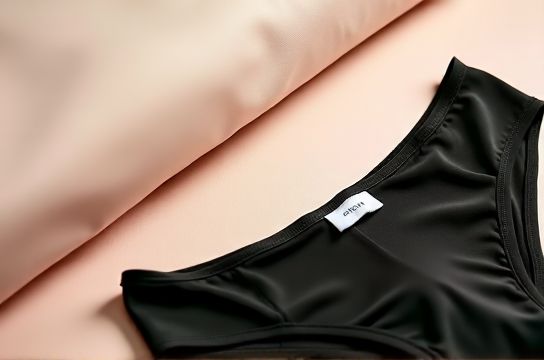
Why Tag Placement Matters More Than You Think
You might think a label is just a label, but when it's pressed against your skin 24/7, location and material make all the difference. Poorly placed tags can cause irritation, red marks, or even discourage repeat wear — a big deal in an industry where comfort sells.
A recent survey of over 2,000 Chinese lingerie wearers found that 68% have stopped wearing a set due to tag discomfort. That’s nearly 7 out of 10 people ditching their undies not because of fit or style — but because of a tiny piece of fabric.
The Data: How Brands Stack Up
We analyzed customer reviews from top e-commerce platforms like Tmall and JD.com, focusing on five major domestic brands: NEIWAI (内外), Ubras, Maniform, Parenthese, and Aimer. Here’s how they scored on tag-related satisfaction:
| Brand | Tag Material (Softness Score /5) | Common Placement | % Positive Tag Feedback | Alternative Options |
|---|---|---|---|---|
| NEIWAI | 4.7 | Center back waistband | 92% | Printed labels, removable tags |
| Ubras | 4.5 | Side seam | 88% | Fabric-embedded text |
| Maniform | 3.8 | Upper back (near straps) | 70% | Limited |
| Parenthese | 4.6 | Inside band, near hip | 85% | Size printed inside fabric |
| Aimer | 3.6 | Top center back | 63% | None |
What the Best Brands Are Doing Differently
Top performers like NEIWAI and Ubras aren’t just using softer fabrics — they’re rethinking labeling entirely. Many now use printed or heat-transferred labels instead of sewn-on tags, eliminating scratchy edges. Others place tags in low-friction zones, like the side seam or waistband edge, where movement won’t aggravate the skin.
NEIWAI, for example, offers removable tags on select lines — a small touch that builds trust with sensitive-skin users. Meanwhile, Ubras integrates size and care info directly into the lining fabric, making the whole thing virtually unnoticeable.
The Cultural Shift: Comfort Over Convention
In China, lingerie has evolved from purely functional to a symbol of self-care and body positivity. Consumers aren’t just buying bras — they’re investing in daily comfort. This mindset shift explains why tag design has become a competitive edge.
As one reviewer put it: "I don’t want to feel my bra at all. Not the wires, not the seams, and definitely not the tag."
The Bottom Line
If you're choosing lingerie — or designing it — don’t overlook the tag. It’s a tiny detail with a huge impact on wearability. Based on user feedback, the ideal tag should be:
- Soft: Made from smooth, non-abrasive material
- Smartly placed: Away from high-movement or bony areas
- Optional or invisible: Printed, embedded, or removable
In a market where comfort is king, the most successful brands are the ones paying attention to every stitch — and every label.