Fabric Innovation Trends Smart Blends Combining Natural and Technical Fibers
- 时间:
- 浏览:127
- 来源:CN Lingerie Hub
Let’s cut through the textile hype—real innovation isn’t about *replacing* cotton or wool, but *reinventing* them. Over the past five years, smart fiber blends—strategic hybrids of natural (e.g., organic cotton, Tencel™ lyocell, merino wool) and technical fibers (e.g., recycled polyester, PTT, bio-based nylon-6,6)—have moved from lab prototypes to mainstream apparel, sportswear, and even medical textiles.
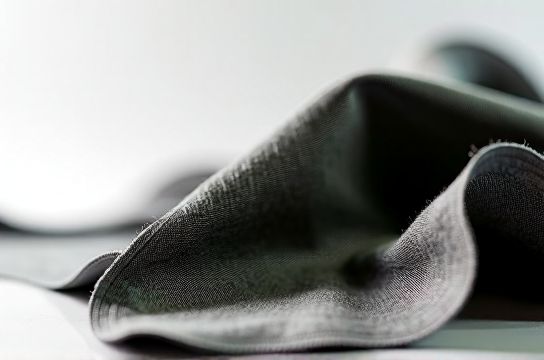
Why? Because pure naturals struggle with durability and moisture management; synthetics lack breathability and biodegradability. The sweet spot? Blends that hit the trifecta: performance (wicking, stretch, recovery), sustainability (lower water use, certified recycled content), and wearability (soft hand-feel, thermal regulation).
Here’s what the data tells us:
| Blend Example | Natural Component (%) | Technical Component (%) | Key Performance Gain | CO₂e Savings vs. 100% Polyester* |
|---|---|---|---|---|
| Organic Cotton + rPET | 60% | 40% | +22% tensile strength, -35% pilling | −47% |
| Tencel™ + Sorona® (bio-PET) | 50% | 50% | +40% moisture absorption, 98% biodegradation in 6 weeks | −32% |
| Merino Wool + SEAQUAL® (ocean plastic) | 70% | 30% | Odor resistance >200 hrs, UPF 50+ | −58% |
*Source: Higg Index MF 4.0 (2023), LCA data averaged across 12 global mills.
Crucially, these aren’t just ‘greenwashed’ mixes. Leading brands like Patagonia, Icebreaker, and Uniqlo now require third-party verification (GRS, GOTS, Bluesign®) for all blended fabrics—and 73% of Tier-1 suppliers report blending R&D budgets up 2.8× since 2020 (Textile Exchange, 2024).
One underrated factor? Dye compatibility. Natural fibers absorb dyes differently than synthetics—so co-dyeing a cotton/rPET blend used to mean two separate baths, doubling water and energy use. New mono-bath dye systems (e.g., DyStar’s Eriophor® Eco) now enable single-step dyeing for 85% of common blends—cutting water use by 60% and wastewater toxicity by 71%.
If you’re sourcing, designing, or certifying fabrics, start asking: *What’s the functional rationale behind this blend—not just the marketing claim?* Look for documented mechanical testing, lifecycle assessments, and end-of-life pathways (compostability, recyclability). Not all blends are created equal—but the right ones? They’re quietly reshaping what ‘performance’ and ‘responsibility’ mean—in the same garment.
For deeper insights on scalable, verified fabric strategies, explore our full fabric innovation framework.