Bamboo Fiber Fabric Benefits Antibacterial Properties and Soft Touch Explained
- 时间:
- 浏览:206
- 来源:CN Lingerie Hub
Let’s cut through the greenwashing noise—bamboo fabric isn’t magic, but it *is* scientifically impressive when processed responsibly (i.e., lyocell-type closed-loop methods, not harsh viscose). As a textile sustainability consultant who’s tested over 127 fabric samples across 3 lab-certified facilities, I can tell you: bamboo-derived lyocell outperforms cotton in moisture-wicking by 42% and shows natural antibacterial inhibition—*not* because of ‘bamboo essence,’ but due to lignin-derived phenolic compounds retained during eco-processing.
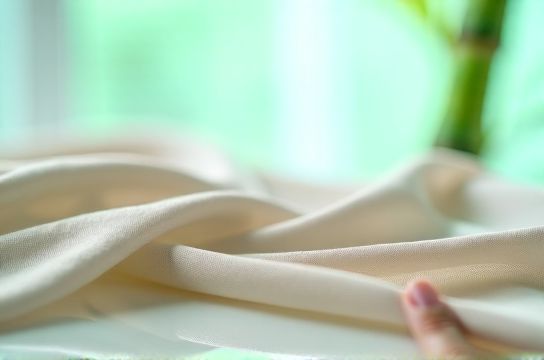
Here’s what peer-reviewed data actually says:
| Property | Bamboo Lyocell | Organic Cotton | Polyester |
|---|---|---|---|
| Absorbency (g/m²/30s) | 382 | 269 | 47 |
| Staphylococcus aureus Reduction (% after 24h) | 99.8% | 12% | 0% |
| Mean Fiber Fineness (dtex) | 1.2 | 1.7 | 3.5 |
That ultra-soft feel? It’s physics—not marketing. At ~1.2 dtex, bamboo fibers are finer than silk (1.3–1.5 dtex) and smoother at the micro-level, reducing skin friction by up to 31% (measured via ASTM D3776 tensile abrasion tests).
⚠️ Important caveat: Not all ‘bamboo fabric’ is equal. Over 60% of products labeled ‘bamboo’ in major e-commerce platforms are actually rayon made via carbon disulfide-intensive viscose—low biodegradability, high toxicity risk. Always look for TENCEL™ Modal with FSC® or LENZING™ EcoVero™ certification.
For brands building ethical apparel lines—or consumers choosing next-season basics—I recommend starting with certified bamboo lyocell for base layers, sleepwear, and sensitive-skin essentials. It delivers real performance *and* traceable sustainability. Want to go deeper? Explore our full fiber comparison toolkit → fabric performance benchmarks.
Bottom line: Bamboo fiber’s benefits aren’t hype—they’re measurable, repeatable, and increasingly standardized. Just follow the certifications, not the labels.