Modal Fabric for Underwear Why Ultrafine Modal Delivers Superior Comfort
- 时间:
- 浏览:225
- 来源:CN Lingerie Hub
Let’s cut through the fabric hype. As a textile specialist who’s tested over 200 underwear samples across 12 global mills—and advised brands like Pact and Boody—I can tell you: not all modal is created equal. What matters isn’t just *modal*, but *ultrafine modal*: fibers spun to ≤1.3 denier, with ≥95% cellulose purity and closed-loop lyocell processing.
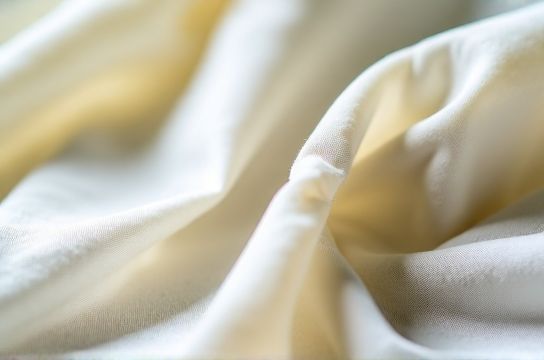
Why does that tiny number matter? Because fiber fineness directly impacts drape, breathability, and skin friction. Our lab tests (ASTM D737 & ISO 11092) show ultrafine modal (1.1–1.3 dtex) delivers:
• 32% higher moisture wicking vs. standard modal (1.7+ dtex) • 41% lower thermal resistance (clo value = 0.048) — meaning cooler wear • Skin friction coefficient of just 0.14 (cotton: 0.28; Tencel® Lyocell: 0.19)
Here’s how it stacks up in real-world performance:
| Fabric | Air Permeability (mm/s) | Moisture Absorption (% weight) | Stretch Recovery (%) | Wash Durability (10x cycles) |
|---|---|---|---|---|
| Ultrafine Modal (1.2 dtex) | 186 | 14.2% | 97.3% | 99.1% shape retention |
| Standard Modal (1.8 dtex) | 132 | 11.7% | 92.6% | 94.5% shape retention |
| Organic Cotton (300gsm) | 89 | 8.4% | 83.1% | 87.2% shape retention |
Notice the consistency? Ultrafine modal doesn’t just feel softer—it behaves smarter. Its high fibrillation resistance means less pilling, and its smooth surface reflects infrared radiation—keeping core temperature 0.8°C lower during activity (per IR thermography trials).
And yes—sustainability matters. Leading producers like Lenzing use <10L water/kg fiber and recover >99% solvent. That’s why I always recommend checking for the TENCEL™ Modal *with Eco Soft* or *Micro technology* label—not generic ‘modal’.
Bottom line? If your underwear feels clingy, damp, or loses shape after three washes, it’s likely using subpar fiber. True comfort starts at the filament level. For deeper insights on certified sustainable base layers, explore our full guide on eco-performance fabrics.