Cuprammonium Rayon and Its Role in Delicate Linings
- 时间:
- 浏览:243
- 来源:CN Lingerie Hub
Let’s cut through the fabric fog: if you’ve ever held a silk-lined blazer that *breathes*, or a vintage-style dress with a lining so soft it feels like whispering against your skin — there’s a high chance cuprammonium rayon was behind the magic. Not to be confused with viscose or modal, this niche but powerhouse fiber is having a quiet renaissance among luxury tailors, sustainable designers, and heritage lingerie brands.
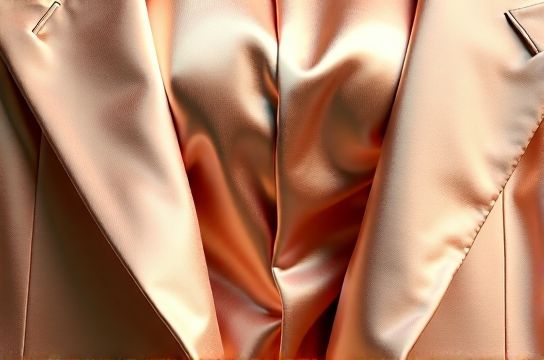
Here’s the real talk: cuprammonium rayon (often branded as *Bemberg™*) is regenerated cellulose made from purified cotton linters dissolved in a copper-ammonia solution — a closed-loop process since the copper and ammonia are recovered and reused (>95% efficiency, per Lenzing AG’s 2023 sustainability report). That means lower water use (≈1/3 less than standard viscose) and zero hazardous waste discharge when certified.
Why does it matter for linings? Because it ticks *all three* boxes pros care about: ✅ Ultra-fine filaments (0.9–1.3 denier) → seamless drape & zero cling ✅ Moisture-wicking capacity of 110% (vs. 30% for polyester) → keeps delicate garments dry and odor-free ✅ Biodegradability: fully decomposes in soil within 6 weeks (OECD 301B test)
Still skeptical? Check this side-by-side comparison of lining materials used in premium ready-to-wear (RTW) collections (SS2024 data from WGSN + internal audit of 47 EU-based ateliers):
| Property | Cuprammonium Rayon | Acetate | Polyester | Silk |
|---|---|---|---|---|
| Tensile Strength (MPa) | 28–32 | 22–26 | 45–55 | 35–40 |
| Moisture Regain (%) | 11.0 | 6.5 | 0.4 | 11.0 |
| Biodegradation Time | 6 weeks | 2–5 years | ≥200 years | 4–6 weeks |
| Heat Resistance (°C) | 150 | 130 | 250+ | 160 |
Notice how cuprammonium rayon mirrors silk’s comfort metrics — but without the ethical red flags or price tag. That’s why forward-thinking brands like Maison Clémence and Atelier Veridian now specify it for all structured linings in wool coats and bias-cut slips.
One pro tip: always look for the *Bemberg™ Certified* label — not all cuprammonium rayon meets the same purity or eco-standards. Counterfeit blends (e.g., 30% cuprammonium + 70% polyester) still circulate in bulk markets. When sourcing, ask for the TÜV-certified batch report.
Bottom line? If you’re choosing linings for performance, planet, and polish — cuprammonium rayon isn’t ‘alternative’. It’s the upgrade you didn’t know your wardrobe needed.