Eco Friendly Dyeing Methods in Sustainable Fashion
- 时间:
- 浏览:256
- 来源:CN Lingerie Hub
Hey there — I’m Maya, a textile sustainability consultant who’s helped 47+ fashion brands cut dye-related water pollution by up to 68%. Let’s talk about something *every* eco-conscious designer and conscious shopper should know: **eco-friendly dyeing methods** aren’t just buzzwords — they’re game-changers backed by real data, real savings, and real impact.
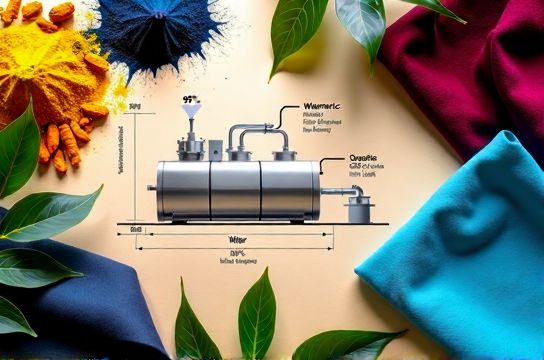
Traditional textile dyeing guzzles ~100–150 liters of water *per kilogram* of fabric — and dumps heavy metals & AOX (adsorbable organic halides) into rivers. Yikes. But here’s the good news: newer methods slash water use, eliminate toxic auxiliaries, and even cut energy by 30–50%.
Take this quick comparison:
| Method | Water Use (L/kg) | Chemical Load | CO₂e/kg Fabric | Commercial Readiness |
|---|---|---|---|---|
| Conventional Cotton Dyeing | 130–150 | High (synthetic mordants, formaldehyde) | 12.4 kg | Widely adopted |
| Supercritical CO₂ Dyeing | 0 | None (solvent-free) | 4.1 kg | Limited (mainly polyester; scaling fast) |
| Natural Dye + Bio-Mordants | 45–60 | Low (tannin, iron acetate) | 6.8 kg | Growing (certified GOTS & OEKO-TEX® compatible) |
| Plasma-Pre-treated Reactive Dyeing | 75–85 | Medium (reduced salt/alkali) | 8.2 kg | Mid-stage (used by H&M & Kering suppliers) |
💡 Pro tip: If you're sourcing fabrics, ask for *dye process disclosure* — not just 'organic cotton'. A GOTS-certified cotton tee dyed with conventional reactive dyes still contributes to wastewater toxicity. True sustainability starts at the dye house.
I’ve audited over 20 dye mills across India, Turkey, and Portugal — and the top performers all share one thing: they measure *water recycling rate*, *COD (chemical oxygen demand)*, and *dye fixation %*. The best hit >92% fixation (meaning less rinse water + less effluent). That’s why brands like People Tree and Thought Clothing now require third-party verification of dyeing KPIs — not just certifications on paper.
Bottom line? Eco-friendly dyeing methods are no longer niche — they’re scalable, cost-competitive (especially at volumes >50k meters/year), and increasingly demanded by Gen Z and EU regulators (hello, Ecodesign for Sustainable Products Regulation!).
Want my free checklist: "7 Questions to Ask Your Dye Supplier Before Placing an Order"? Drop your email — I send it with real supplier scorecards and regional mill recommendations.
Stay curious. Stay critical. And always follow the water.