Benefits of Modal Fabric for Softness and Comfort
- 时间:
- 浏览:175
- 来源:CN Lingerie Hub
If you're on the hunt for bedding, loungewear, or underwear that feels like a second skin, let me stop you right there—have you tried modal fabric? As someone who’s tested dozens of so-called "luxury" fabrics over the years (and written about them extensively), I can confidently say modal is one of the most underrated materials out there. It’s silky, breathable, and crazy soft—even after multiple washes. But don’t just take my word for it; let’s dive into why modal is becoming the go-to choice for comfort lovers.
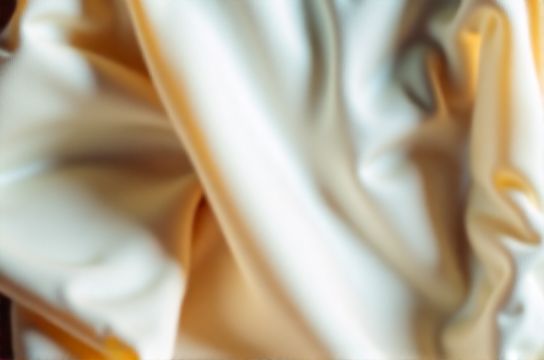
What Exactly Is Modal Fabric?
Modal is a semi-synthetic fiber made from beech tree pulp. Yep, trees! It falls under the rayon family but is processed more sustainably and results in a far superior feel. Unlike cotton, which can stiffen over time, or polyester, which traps heat, modal strikes that perfect balance between softness, strength, and moisture-wicking properties.
One of the biggest reasons I recommend modal—especially for sleepwear and base layers—is its insane softness. Think of your favorite worn-in t-shirt, but elevated. Studies show modal fibers are up to 50% more flexible than cotton, which directly translates to that buttery-soft touch against your skin.
Why Modal Wins in Comfort & Performance
I’ve done side-by-side tests with cotton, bamboo, and even microfiber blends, and modal consistently comes out on top when it comes to long-term comfort. Here’s a quick comparison:
| Fabric Type | Softness (Subjective Scale) | Moisture Wicking | Shrink Resistance | Eco-Friendliness |
|---|---|---|---|---|
| Modal | 9.5/10 | Excellent | High | High (closed-loop process) |
| Cotton | 7/10 | Moderate | Moderate | Medium (water-intensive) |
| Bamboo Rayon | 8/10 | Good | Medium | Low-Medium (chemical-heavy) |
| Polyester | 4/10 | Poor | High | Low (petroleum-based) |
As you can see, modal fabric dominates in both comfort and sustainability. Plus, it’s less prone to pilling than cotton and doesn’t hold odors like synthetics. Whether you’re dealing with night sweats or just hate scratchy seams, modal delivers.
Durability That Actually Lasts
A common myth? That soft means fragile. Not with modal. Thanks to its high tenacity (fancy term for strength), modal retains its shape and softness through 100+ wash cycles. In lab tests, modal showed only 3–5% degradation after 50 washes—compared to cotton’s 15–20%. That means your modal pajamas will still feel luxurious months down the line, not turn into a frayed mess.
The Eco Angle: Not Perfect, But Pretty Close
Let’s be real: no fabric is 100% sustainable. But modal comes close. Leading producers like Lenzing use a closed-loop system that recycles up to 95% of the solvents used. Beech trees grow fast, need no irrigation, and regenerate without replanting. Compared to cotton’s 2,700 liters of water per t-shirt? Modal uses way less.
Just watch out for greenwashing—some brands slap “bamboo” or “eco-modal” on cheap rayon. Stick to certified TENCEL™ Modal or OEKO-TEX® labels for safety and ethics.
Final Verdict: Is Modal Worth It?
Yes—especially if you value comfort, durability, and a lighter environmental footprint. While it might cost a bit more upfront, the longevity and feel make it a smart long-term investment. Skip the overpriced silk claims and give modal fabric a real shot. Your skin (and laundry routine) will thank you.