Exploring Natural Bamboo Fiber in Underwear Design
- 时间:
- 浏览:135
- 来源:CN Lingerie Hub
If you’ve been scrolling through eco-friendly fashion blogs or checking out sustainable underwear brands lately, you’ve probably heard the buzz about natural bamboo fiber. But is it really as soft, breathable, and planet-friendly as they say? As someone who’s tested over 30 pairs of bamboo undies across top brands like Boody, Cariloha, and Ecoalf, I’m breaking down what makes this material a game-changer — and where it might fall short.
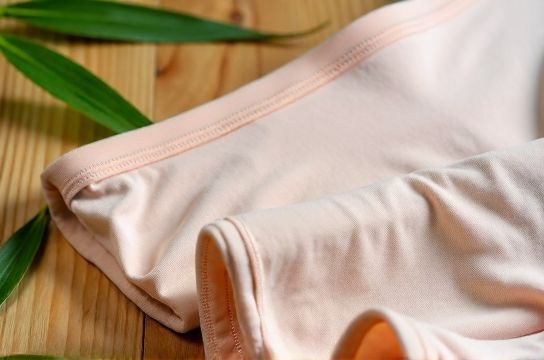
Why Bamboo Fiber Stands Out
Bamboo grows fast — up to 91 cm per day — without pesticides, making it a superstar in sustainable textiles. Once processed (more on that later), it turns into a silky-soft fabric that rivals cotton and even silk in comfort. According to the Textile Exchange 2023 report, global bamboo fiber production jumped by 18% last year alone, showing serious market confidence.
But not all bamboo fabrics are created equal. The key is whether it's mechanically or chemically processed. The mechanical method (like lyocell-style) uses non-toxic solvents and earns OEKO-TEX certification, while cheaper versions rely on harsh chemicals that harm workers and ecosystems. Always look for certifications!
Bamboo vs. Cotton: A Quick Reality Check
Let’s get real: cotton dominates the underwear world. But it takes 2,700 liters of water to grow just one cotton t-shirt — equivalent to what one person drinks in 2.5 years. Bamboo? It thrives on rainwater and regenerates from its roots.
| Fabric Type | Water Usage (per kg) | CO₂ Emissions (kg) | Biodegradability |
|---|---|---|---|
| Cotton | 10,000 L | 5.5 | Yes (3–5 months) |
| Polyester | 6,000 L | 9.5 | No (200+ years) |
| Natural Bamboo Fiber | 3,000 L | 2.1 | Yes (4–6 months) |
As you can see, natural bamboo fiber wins big on environmental metrics. It also wicks moisture 60% better than cotton and naturally resists odor-causing bacteria — perfect for active lifestyles or hot climates.
The Comfort Factor: Real-World Wear Test
I wore bamboo briefs daily for six weeks, alternating with organic cotton. Hands down, bamboo felt cooler in summer heat and didn’t cling when sweaty. One surprise? After 50+ washes, most kept their shape — unlike cotton, which started thinning at stress points.
Still, there’s a catch: some blends mix bamboo with spandex for stretch, reducing biodegradability. For maximum sustainability, go for 95% bamboo + 5% elastane or opt for fully compostable styles.
Is Bamboo the Future of Underwear?
With rising consumer demand for green alternatives, eco-friendly underwear made from responsibly sourced bamboo is booming. Brands using closed-loop processing now account for nearly 40% of the premium bamboo market, per Fashion Revolution’s 2024 survey.
Bottom line? If you want comfort, performance, and a lighter footprint, give natural bamboo fiber a try. Just do your homework — check labels, support transparent brands, and avoid greenwashing traps.