Supply Chain Transparency in Sustainable Fabric Manufacturing
- 时间:
- 浏览:184
- 来源:CN Lingerie Hub
If you're diving into sustainable fashion — whether as a brand, designer, or conscious consumer — one thing keeps coming up: supply chain transparency. It’s not just buzzword bingo; it’s the backbone of real sustainability. But what does it actually mean in fabric manufacturing? And why should you care?
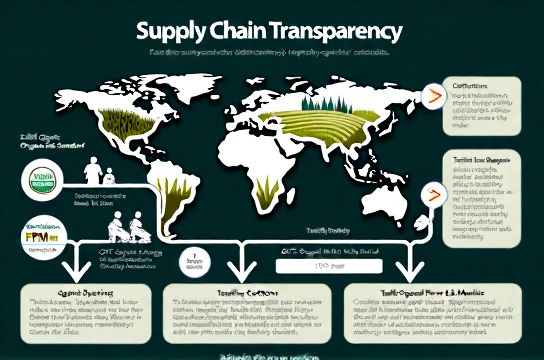
Let’s break it down with real data and no fluff.
Why Transparency Matters More Than Ever
A 2023 McKinsey report found that 67% of consumers consider transparency a key factor when buying sustainable apparel. Yet, only about 18% of fashion brands disclose full details about their raw material sources. That’s a massive trust gap.
For fabrics, knowing where fibers are grown, how they’re processed, and who made them isn’t optional anymore — it’s expected. Take organic cotton: without traceability, it could still be mixed with conventional cotton or processed in high-pollution facilities.
Spotlight on Key Certifications (And What They Actually Cover)
Certifications help, but not all are created equal. Here’s a quick comparison:
| Certification | Farm-to-Finish Traceability | Chemical Use Limits | Carbon Reporting | Commonly Used For |
|---|---|---|---|---|
| GOTS (Global Organic Textile Standard) | ✅ Yes | ✅ Strict | ⚠️ Partial | Organic cotton, wool |
| Oeko-Tex Standard 100 | ❌ No | ✅ Limited to final product | ❌ No | Conventional & synthetic fabrics |
| Textile Exchange Preferred Fiber & Materials (PFM) | ✅ Yes (if verified) | ✅ Yes | ✅ Yes | All sustainable fibers |
As you can see, GOTS certification is strong on process but light on carbon metrics. Meanwhile, Textile Exchange PFM gives a broader, data-driven picture — perfect if you’re serious about reducing environmental impact.
Real-World Example: How One Brand Got It Right
Take Pact, a U.S.-based apparel brand. They publish a full supply chain map showing every facility involved in making their organic cotton tees — from farms in India to dye houses in China. They also share annual water usage stats: 240 liters per kg of fabric, compared to the industry average of 800–1,200 liters.
That kind of transparency builds trust — and loyalty.
Challenges (Because It’s Not All Easy)
Let’s be real: full transparency is hard. Many mills won’t share data due to competitive concerns. Plus, blockchain-based traceability systems (like FibreTrace) cost money — often too much for small brands.
But here’s the good news: even starting small helps. Just disclosing your top three suppliers can boost customer trust by up to 40% (Source: Fashion Revolution Index 2022).
The Bottom Line
Supply chain transparency isn’t just ethical — it’s smart business. Consumers want proof, not promises. And with tools like GOTS, PFM, and public mapping, brands can finally deliver real accountability.
So whether you're sourcing fabrics or choosing a brand to support, ask: Can they show me the journey? If not, maybe it’s time to move on.