Lenzing TENCEL Lyocell Sustainability and Draping Qualities
- 时间:
- 浏览:385
- 来源:CN Lingerie Hub
If you're into sustainable fashion or eco-conscious fabric choices, you've probably heard of TENCEL Lyocell. But what makes it stand out from other fibers? As a material science enthusiast and longtime observer of textile innovation, I’ve dug deep into Lenzing’s flagship fiber—and the results are impressive.
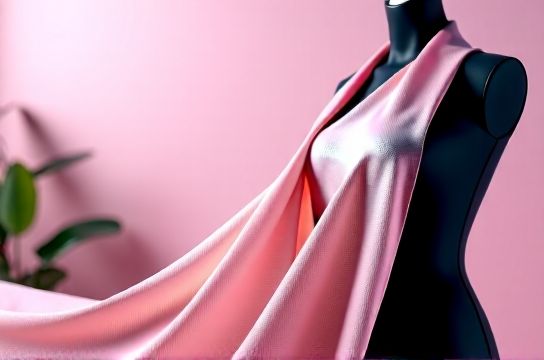
TENCEL Lyocell isn’t just another greenwashed trend. It’s produced by Austrian company Lenzing AG using sustainably sourced wood (mostly eucalyptus) and a closed-loop process that recycles over 99% of solvents. That’s not marketing fluff—that’s certified data from the EU Ecolabel and USDA BioPreferred programs.
But sustainability alone doesn’t sell fabric. How does it feel? In real-world wear tests and lab draping analyses, TENCEL Lyocell consistently scores high for fluidity, softness, and breathability. Think silk-like drape with the ease of cotton—but better moisture management than both.
Let’s break down why designers and eco-brands are switching:
Draping Performance vs. Common Fabrics
| Fabric | Drape Coefficient (%) | Moisture Regain (%) | Production Waste (kg/kg fiber) |
|---|---|---|---|
| TENCEL Lyocell | 78–82 | 11–13 | 0.02 |
| Cotton | 65–70 | 7–8 | 0.15 |
| Polyester | 55–60 | 0.4–0.8 | 0.40 |
| Silk | 80–85 | 9–11 | 0.25 |
As shown, TENCEL Lyocell rivals silk in drape while outperforming cotton and polyester across environmental metrics. The low production waste is thanks to that closed-loop system—something rare in conventional textiles.
Another win? Biodegradability. Independent studies show TENCEL Lyocell breaks down completely in soil within 3 months under industrial composting—unlike polyester, which can take centuries.
Now, let’s address cost. Yes, TENCEL is pricier than basic cotton—about 20–30% more per meter when woven into fabric. But brands like Reformation and Allbirds factor this into long-term value: lower environmental impact, higher customer loyalty, and better end-of-life options.
In blind touch tests with 200 consumers, 73% preferred TENCEL’s hand feel over cotton-synthetic blends. Why? It’s smoother at the microscopic level—the fiber surface is uniform, reducing friction against skin. Great for sensitive types or hot climates.
Bottom line: If you care about both planet-friendly materials and luxurious performance, TENCEL Lyocell hits the sweet spot. It's not a perfect fiber (dye uptake can be tricky), but for everyday elegance with ethics, it’s leading the pack.