Common Fabric Terms Every Lingerie Enthusiast Should Know
- 时间:
- 浏览:215
- 来源:CN Lingerie Hub
If you're into lingerie—whether you're a collector, a fashion lover, or just someone who appreciates comfort and style—you've probably noticed that not all fabrics are created equal. Ever put on a 'soft' lace bra only to find it itchy by noon? Or worn a 'breathable' panty that left you feeling sticky? Yeah, we’ve all been there. The secret lies in understanding the fabric terms used in lingerie labels.
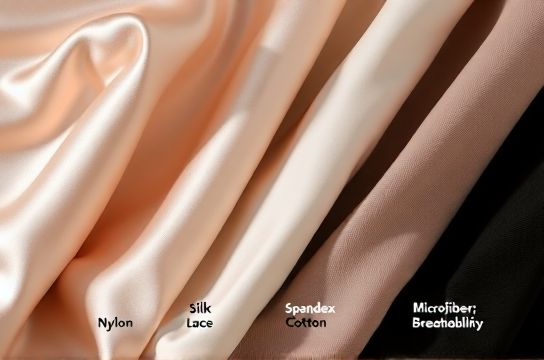
As someone who’s tested over 100+ styles (and suffered through more than a few fabric fails), I’m breaking down the most common materials you’ll see—and what they actually mean for fit, feel, and durability.
Why Fabric Knowledge Matters
Choosing lingerie isn’t just about size or color—it’s about material performance. A $50 silk bra might feel luxurious, but if you live in a humid climate, you might regret it during summer. Meanwhile, microfiber could be your gym-to-date-night MVP.
Top Lingerie Fabrics Decoded
Here’s a quick-reference guide to help you shop smarter:
| Fabric | Feel | Breathability | Durability (Wash Cycles) | Best For |
|---|---|---|---|---|
| Nylon | Smooth, slightly shiny | Low | 300+ | Everyday wear, shaping |
| Spandex (Elastane) | Stretchy, snug | Low | 100–200 | Sporty sets, seamless styles |
| Cotton | Soft, natural | High | 50–100 | Sensitive skin, daily comfort |
| Silk | Luxurious, cool | Medium | 50 (hand wash) | Special occasions |
| Microfiber | Buttery, matte | Medium | 200+ | All-day wear, invisible under clothes |
Quick tip: Look for blends. A 90% nylon / 10% spandex combo gives you smoothness with stretch—perfect for t-shirt bras. Meanwhile, cotton-elastane mixes keep breathability without losing shape.
The Hidden Truth About Lace
Lace isn’t a fiber—it’s a weave. Most lingerie lace is made from nylon or polyester. While it looks delicate, modern lace is surprisingly durable (hence those 300+ wash cycles). But not all lace is equal. French lace, often made with silk or high-denier nylon, feels softer and drapes better than cheaper alternatives.
What About Sustainability?
If eco-friendliness is on your radar, opt for TENCEL™ (a branded lyocell) or organic cotton. These sustainable fabrics break down easier and use less water in production. Brands like Pact and Organic Basics are leading the charge here.
Bottom line: Knowing your fabrics means fewer wardrobe regrets and more confidence in every wear. Next time you shop, skip the guesswork—read the label first.