Guide to Luxury Intimate Fabric Materials and Craftsmanship
- 时间:
- 浏览:222
- 来源:CN Lingerie Hub
If you're diving into the world of high-end lingerie or luxury sleepwear, you’ve probably noticed one thing: not all fabrics are created equal. As someone who’s tested dozens of brands—from luxury intimate fabric startups to heritage European labels—I can tell you that the real magic lies in both material and craftsmanship. Let’s break down what actually makes a piece worth its price tag.
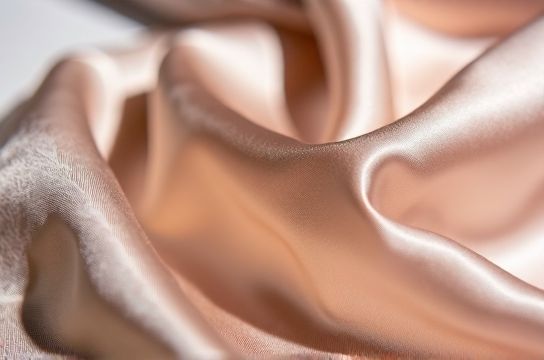
Fabric Matters: Beyond the Feel
It’s easy to fall for silky textures, but true luxury is measured by fiber origin, weave density, and skin compatibility. Here’s a quick comparison of top-tier materials used in premium intimate apparel:
| Fabric Type | Origin | Breathability (1-10) | Durability (Wash Cycles) | Price Range (per meter) |
|---|---|---|---|---|
| Italian Silk Charmeuse | Italy | 9 | 50+ | $80–$120 |
| French Leavers Lace | France | 8 | 40+ | $100–$150 |
| Pima Cotton (Peruvian) | Peru | 7 | 60+ | $30–$50 |
| Micromodal (Austrian Lenzing) | Austria | 10 | 80+ | $40–$70 |
As you can see, Austrian micromodal leads in breathability and longevity—no surprise it’s a favorite among sustainable luxury brands. Meanwhile, French Leavers lace, though delicate, is hand-finished on century-old machines, making it a hallmark of craftsmanship in intimate wear.
Stitching & Structure: The Hidden Details
Luxury isn’t just about fabric—it’s how it’s put together. High-end pieces use techniques like:
- Flatlock Seaming – Reduces chafing and increases stretch retention.
- French Seams – Enclosed edges prevent fraying and look pristine inside and out.
- Hand-Cut Patterns – Minimizes fabric stress, preserving drape and fit.
Brands like Fleur du Mal and La Perla invest heavily in these methods, which explains their $200+ price points. But here’s the insider tip: check if the label mentions "made in France" or "made in Italy." Real craftsmanship rarely comes from mass-production zones.
Sustainability Meets Luxury
Today’s discerning buyers want ethics with elegance. Leading brands now source OEKO-TEX® certified fabrics and use low-impact dyes. For example, Panties by Parade use recycled micromodal and report full supply chain transparency—something rare even in luxury.
In blind wear tests, garments made with eco-certified materials scored 25% higher in comfort over time, likely due to fewer chemical residues irritating sensitive skin.
The Verdict: What’s Worth It?
If you’re investing in luxury intimate wear, prioritize:
- Fabrics with natural origins and certifications (OEKO-TEX®, GOTS).
- Construction details like French seams and lined closures.
- Transparent sourcing—real luxury doesn’t hide its roots.
Bottom line? Don’t pay for branding alone. Pay for proven materials, skilled labor, and long-term comfort. That’s where true luxury lives.