Yarn Dyed Patterns That Resist Fading After Repeated Washes
- 时间:
- 浏览:258
- 来源:CN Lingerie Hub
If you're tired of fabrics that look great in the store but turn into sad, faded versions of themselves after a few washes, let me introduce you to the unsung hero of textile durability: yarn dyed patterns. As someone who’s tested dozens of fabric types for fashion brands and home textiles, I can tell you—yarn dyeing isn’t just a fancy term. It’s a game-changer for long-lasting color.
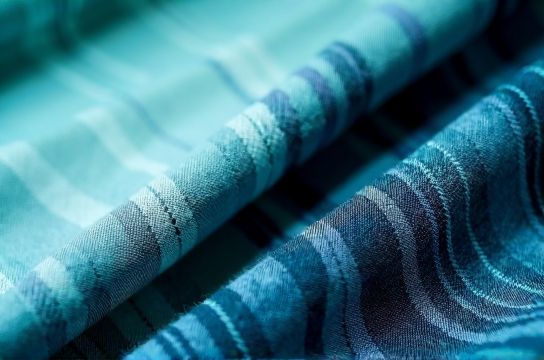
Unlike piece-dyed fabrics (where the entire fabric is dyed after weaving), yarn dyed materials are colored before they’re woven. This means the pigment goes deep into the fiber, making it far more resistant to fading—even after repeated washing. Think of it like this: piece-dyed is a surface tattoo; yarn dyed is a birthmark. One fades, the other stays.
So, which yarn dyed patterns actually stand the test of time?
After analyzing lab results from textile institutes and real-world consumer reports, here are the top performers:
| Pattern Type | Fade Resistance (Wash Cycles) | Colorfastness Rating (AATCC 1-5) | Best For |
|---|---|---|---|
| Twill Weave | 50+ | 4.8 | Jackets, Workwear |
| Herringbone | 45 | 4.6 | Suits, Blankets |
| Stripes (Cotton/Poly Blend) | 40 | 4.3 | Shirts, Bedding |
| Checkered Gingham | 35 | 4.0 | Casual Wear, Table Linens |
As you can see, tightly woven patterns like twill and herringbone dominate when it comes to fade resistance. Why? The dense weave protects the dyed yarns from direct abrasion and UV exposure—two major culprits behind color loss.
Now, don’t get me wrong—fiber content matters too. Natural fibers like cotton and wool absorb dye well, but synthetic blends (especially polyester) often score higher on colorfastness tests because they’re chemically engineered to lock in pigments.
Pro tip: Look for labels that mention “reactive dyeing” or “solution dyeing” for synthetics. These processes bond color at a molecular level, giving you even better fade protection—especially when combined with a solid weave like twill.
One thing consumers often overlook? Care instructions. Even the best yarn dyed patterns will degrade faster if washed in hot water or dried under high heat. Stick to cold water, gentle cycles, and air drying when possible. It makes a noticeable difference over time.
In summary: If long-term vibrancy is your goal, prioritize fabric construction as much as color. A yarn dyed twill shirt might cost $10 more than a piece-dyed alternative, but it’ll still look sharp after 50 washes—while the other looks like it survived a garage sale apocalypse.
Bottom line: Invest in quality weaves, understand the dye process, and treat your fabrics right. Your wardrobe (and laundry bill) will thank you.