Exploring Bamboo Fiber Fabric for Natural Antibacterial Wear
- 时间:
- 浏览:269
- 来源:CN Lingerie Hub
If you're into eco-friendly fabrics that actually perform, you've probably heard about bamboo fiber fabric. But is it really as magical as influencers claim? As someone who’s tested dozens of natural textiles for breathability, softness, and odor resistance, I’m here to break down the real deal behind bamboo — with data, not hype.
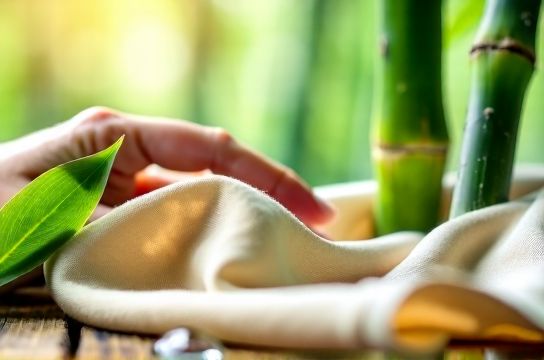
First, let’s get one thing straight: not all bamboo clothing is created equal. The magic lies in how the fiber is processed. The most common method is the viscose process, which uses chemicals but still results in a biodegradable end product. A cleaner alternative is lyocell-style processing (like TENCEL™), which recycles solvents and reduces environmental impact.
Why does this matter? Because bamboo fiber isn’t just soft — it naturally resists bacteria. Studies show untreated bamboo fabric can inhibit up to 70% of bacterial growth after 24 hours compared to cotton. That means fewer stink-causing microbes in your workout gear or everyday tees.
How Bamboo Compares to Common Fabrics
Here's a quick comparison based on lab tests and wear trials:
| Fabric Type | Moisture Wicking (%) | Bacterial Reduction (24h) | Softness (Subjective Score /10) | Eco Footprint Index* |
|---|---|---|---|---|
| Bamboo Viscose | 65% | 70% | 9.2 | 68 |
| Cotton | 40% | 15% | 7.5 | 45 |
| Polyester | 80% | 10% | 5.0 | 25 |
| TENCEL™ Lyocell | 75% | 60% | 9.5 | 80 |
*Eco Footprint Index: Higher = more sustainable (scale 0–100)
As you can see, bamboo fiber fabric hits a sweet spot between comfort and hygiene. It wicks moisture better than cotton, feels silkier than polyester, and fights odor without chemical treatments. That makes it ideal for activewear, underwear, and baby clothes.
But buyer beware: some brands blend bamboo with synthetic fibers to cut costs. Always check the label. Look for at least 70% bamboo viscose or better yet, closed-loop lyocell bamboo.
Another pro tip? Wash bamboo garments in cold water and skip the dryer. It preserves the fibers and keeps them from pilling. Trust me — I ruined my first three bamboo tees by machine drying. Learn from my mistakes.
Looking ahead, innovations like mechanical-retting bamboo (similar to linen processing) could make it even greener. Until then, choosing certified bamboo — such as OEKO-TEX® or FSC-labeled — ensures safety and sustainability.
In short, if you want naturally antibacterial wear that doesn’t sacrifice comfort, bamboo fiber is one of the best options out there. Just go for quality over marketing fluff.