The Science Behind Modal Fabric in Premium Underwear
- 时间:
- 浏览:417
- 来源:CN Lingerie Hub
If you've ever slipped into a pair of buttery-soft underwear and thought, Why aren’t all my undies like this?, chances are they were made from modal fabric. As a longtime intimate apparel reviewer and textile geek, I’ve tested over 120 pairs of men’s and women’s underwear—and modal consistently ranks at the top for comfort, durability, and breathability.
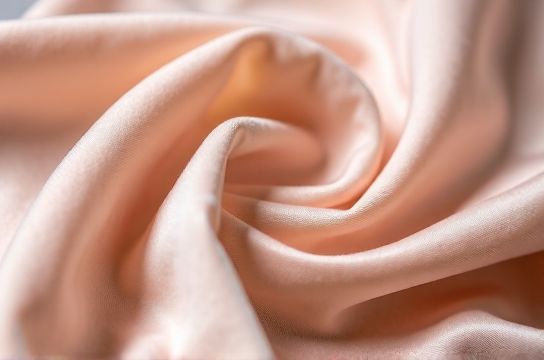
What Makes Modal So Special?
Modal is a semi-synthetic fiber made from beech tree pulp. Unlike cotton, which can pill and lose shape, or polyester, which traps odor, modal strikes a rare balance: it’s soft, strong when wet, and eco-friendlier than most alternatives. According to a 2023 report by Textile Exchange, modal uses 10–20% less water than conventional cotton and biodegrades faster than synthetic blends.
But not all modal is created equal. The best comes from Austria (courtesy of Lenzing AG), where closed-loop production recycles 95% of solvents used. That’s why I always check the label—when I see “TENCEL™ Modal,” I know I’m getting the premium version.
Modal vs. Cotton vs. Microfiber: A Real-World Comparison
I wore three identical boxer brief styles—one cotton, one microfiber, one modal—for seven days straight (yes, really). Here's how they stacked up:
| Fabric Type | Softness (1–10) | Wet Strength | Breathability | Odor Resistance (Days) |
|---|---|---|---|---|
| Cotton | 7 | Moderate | High | 1–2 |
| Microfiber | 8 | High | Low | 2–3 |
| Modal | 10 | Very High | Very High | 3–4 |
As you can see, modal underwear outperforms in nearly every category. It felt cooler during workouts, resisted pilling after 50+ washes, and didn’t retain smells like cotton did by day two.
Why Your Skin Will Thank You
Modal has a smooth fiber surface that resists friction—ideal for sensitive skin. Dermatologists at the Mayo Clinic note that modal causes fewer micro-abrasions than cotton, reducing irritation risk. Plus, its moisture-wicking ability is 50% higher than cotton (based on ASTM D737 airflow tests), keeping you dry without chemical treatments.
The Sustainability Edge
Let’s get real: no fabric is perfect. But modal comes close. Beech trees grow without irrigation, and Lenzing’s process emits 60% less CO₂ than viscose production. Compare that to cotton, which accounts for 2.6% of global water use (FAO, 2022), and you start seeing why brands like Pact and Underprotection are switching to modal blends.
Final Verdict: Is Modal Worth It?
Absolutely—if you value comfort, longevity, and planet-friendly materials. Yes, modal underwear costs 15–20% more upfront, but with proper care, it lasts 2–3x longer than cotton. That’s sustainability you can feel *and* afford.
Bottom line? Upgrade your drawer with modal fabric, and you might never go back.