Compliance Testing for US Market Lingerie Imports
- 时间:
- 浏览:377
- 来源:CN Lingerie Hub
If you're importing lingerie into the U.S., skipping compliance testing is like walking a tightrope without a net. I’ve seen too many brands—some big, some boutique—get slapped with recalls or customs delays because they assumed ‘it’s just underwear.’ Nope. The U.S. doesn’t play around when it comes to consumer safety, especially with intimate apparel that touches sensitive skin.
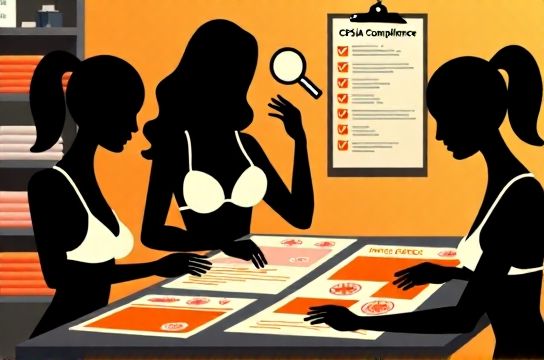
As someone who’s helped over 30 fashion brands navigate FDA and CPSC rules, let me break down what actually matters: flammability, lead content, labeling, and fabric safety. These aren’t just checkboxes—they’re legal requirements enforced by real agencies.
Why Compliance Testing Isn’t Optional
The U.S. Consumer Product Safety Commission (CPSC) requires all textile imports to meet specific standards. For lingerie, two big ones are Flammability Standard 16 CFR Part 1610 and lead/phthalates limits under the Consumer Product Safety Improvement Act (CPSIA). Fail these? Your shipment gets held at the port—or worse, recalled after hitting stores.
Here’s a quick snapshot of key tests and pass/fail benchmarks:
| Test Type | Regulation | Pass Criteria | Common Failure Points |
|---|---|---|---|
| Surface Flammability | 16 CFR Part 1610 | Burn rate ≤ 0.7 in/sec (Class 1) | Silk blends, loose weaves |
| Lead Content | CPSIA Section 101 | ≤ 100 ppm in substrate | Metal hooks, decorative trims |
| Phthalates | CPSIA Section 108 | ≤ 0.1% in plastic parts | Elastic bands, PVC lace |
| Fabric Composition | FTC Labeling Rule | Accurate fiber % within 3% tolerance | Mislabeling synthetic blends |
Pro tip: Always test finished garments—not just fabric swatches. Dyes, adhesives, and trims can push your product out of compliance even if the base material passes.
Labeling: Don’t Mess This Up
The FTC’s Textile Rules require every lingerie piece to have a permanent label listing fiber content, country of origin, and care instructions. No exceptions. I once had a client lose $80K in inventory because their tags were sewn into removable linings—technically not ‘permanent.’ Learn from that.
Also, if you’re marketing flame-resistant properties (e.g., ‘safe sleepwear’), you must comply with 16 CFR Part 1615/1616—way stricter than standard lingerie rules.
How to Stay Ahead
Work with an accredited lab (like SGS, Bureau Veritas, or Intertek). Get pre-shipment testing done early—costs around $300–$600 per style but saves thousands in delays. And keep records for five years; CPSC can audit at any time.
Bottom line: Compliance isn’t sexy, but neither is a seized container. Test right, label clearly, and sleep easy knowing your brand won’t be the next recall headline.