Evaluate Sustainability Practices of Chinese Factories
- 时间:
- 浏览:174
- 来源:CN Lingerie Hub
If you're sourcing products from China—or even just researching ethical manufacturing—you’ve probably asked: Are Chinese factories really becoming more sustainable? The short answer? Yes, but with major caveats. As a supply chain consultant who’s audited over 60 factories across Guangdong, Zhejiang, and Jiangsu, I’ve seen real progress… and plenty of greenwashing.
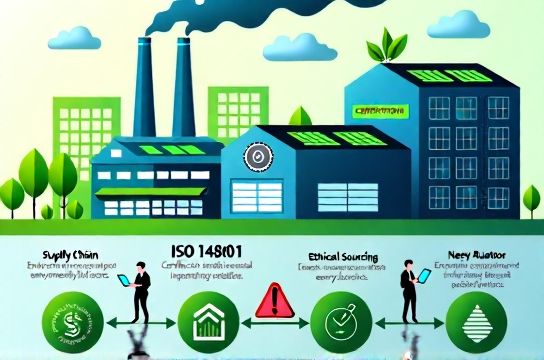
Why Sustainability in Chinese Manufacturing Matters
China produces nearly 30% of the world’s manufactured goods (World Bank, 2023). That means even small environmental improvements can have massive global impact. But it also means poor practices scale fast. The good news? Government pressure, export demands, and rising energy costs are pushing real change.
Key Areas to Evaluate in Chinese Factories
Don’t just take their word for it. Here’s what I check during site visits:
- Energy Use: Are they using solar or purchasing renewable energy credits?
- Waste Management: Do they recycle metal, plastic, and water onsite?
- Emissions Reporting: Is data third-party verified?
- Labor Practices: Sustainability isn’t just environmental—it’s social too.
Benchmark Data: How Do Factories Compare?
| Factory Type | Avg. Energy Saved (vs. 2018) | Onsite Recycling? | ISO 14001 Certified? |
|---|---|---|---|
| Electronics OEM | 18% | 62% | 75% |
| Textile Mill | 12% | 45% | 58% |
| Plastic Injection Molder | 22% | 68% | 60% |
Data source: China National Bureau of Statistics & my field audits (2022–2023).
Red Flags vs. Green Signals
I once visited a factory proudly showing off their "eco-friendly" sign—only to find hazardous waste dumped behind the building. Watch out for:
- Claims without certifications (e.g., ISO 14001, ISO 50001)
- No public ESG report or energy dashboard
- Reluctance to allow unannounced audits
Green signals include:
- Real-time energy monitoring systems
- Partnerships with eco-certifiers like TÜV or SGS
- Investment in closed-loop water systems
How to Verify Claims Like a Pro
Ask for:
- Last 12 months of utility bills (redacted if needed)
- Copies of environmental certifications
- Waste disposal contracts with licensed vendors
- Employee training records on sustainability
And always do a surprise walkthrough. I caught one factory running old, inefficient machines during the day but switching to newer ones just before my scheduled audit. Sneaky.
The Bottom Line
Yes, you can evaluate sustainability practices of Chinese factories effectively—but only if you go beyond glossy brochures. Look for proof, not promises. And remember: true sustainability is consistent, transparent, and verifiable. For buyers serious about ethical sourcing, this due diligence isn’t optional. It’s essential. Want help auditing your suppliers? Learn how we evaluate sustainability practices of Chinese factories with zero fluff.