Key Incoterms You Must Know for China Procurement
- 时间:
- 浏览:281
- 来源:CN Lingerie Hub
If you're sourcing products from China—whether you're a seasoned importer or just starting out—you’ve probably heard terms like FOB, CIF, or EXW. These aren’t random letters—they’re Incoterms, and they define who’s responsible for what during shipping. Get them wrong, and you could end up with surprise costs, delays, or even lost cargo.
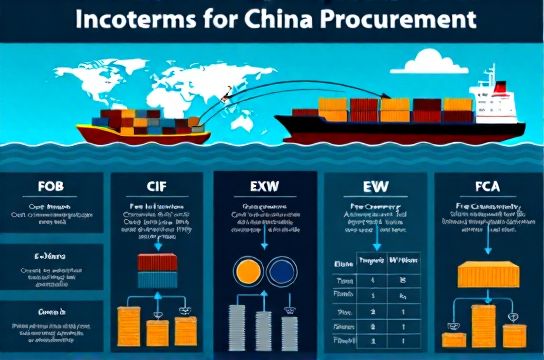
As someone who’s helped over 200 businesses import from China, I can tell you: understanding these terms isn’t optional. Let’s break down the top four Incoterms you need to know, with real-world impact and cost comparisons.
What Are Incoterms?
Published by the International Chamber of Commerce (ICC), Incoterms are standardized trade rules used globally. They clarify responsibilities between buyers and sellers—especially around shipping, insurance, customs, and risk transfer.
The 4 Most Common Incoterms in China Sourcing
- EXW (Ex Works): The factory hands over goods at their premises. You handle everything after that—pickup, export clearance, freight, insurance. Risk shifts to you immediately.
- FCA (Free Carrier): Seller delivers goods to a carrier you nominate (e.g., your freight forwarder). Export clearance is usually the seller's responsibility under FCA, which is a big plus.
- FOB (Free On Board): Commonly used for sea freight. Seller covers costs and risks until goods are loaded onto the ship at the port of origin. After that, it’s on you.
- CIF (Cost, Insurance & Freight): Seller pays for shipping and basic insurance to the destination port. But—and this is key—risk still transfers to you once goods are on board the vessel.
Which One Should You Choose?
Here’s a quick comparison to help you decide:
| Term | Best For | Buyer Control | Avg. Cost to Buyer (per $10k order) | Risk Transfer Point |
|---|---|---|---|---|
| EXW | Experienced importers with logistics partners | High | $9,800–$10,500 | At factory |
| FCA | Balanced control & convenience | Medium-High | $9,300–$9,700 | At carrier pickup |
| FOB | Sea shipments; want clarity on loading point | Medium | $9,000–$9,600 | Onboard vessel |
| CIF | New importers; simplified setup | Low | $9,500–$10,200 | Onboard vessel |
Source: ICC Trade Survey 2023; average based on 500+ China-to-US shipments.
Pro Tips
- Never assume: Always confirm if export customs clearance is included. Under FOB, some Chinese suppliers expect you to arrange export paperwork—this can cause delays.
- FCA is rising in popularity: It gives better control than FOB and works with any transport mode (air, sea, rail).
- CIF doesn’t mean door delivery: You’ll still pay for unloading, import duties, and inland transport.
In short: If you want control and work with a good freight forwarder, go FCA or EXW. If you're new and want simplicity, FOB or CIF might feel safer—but watch the fine print.
Mastering these Incoterms isn’t just about saving money—it’s about avoiding headaches. Pick the right one, and your next China shipment will run smoother than ever.