Synthetic vs Natural Materials in Modern Lingerie
- 时间:
- 浏览:181
- 来源:CN Lingerie Hub
When it comes to choosing the perfect lingerie, fabric matters more than you might think. It's not just about how it looks (though let’s be real—lace and satin are total eye candy). It’s about how it feels against your skin, how it breathes, and whether it holds up after wash after wash. Today’s lingerie market is split between two big players: synthetic and natural materials. So, which one wins? Let’s dive into the soft, stretchy, sometimes sweaty world of modern underwear.
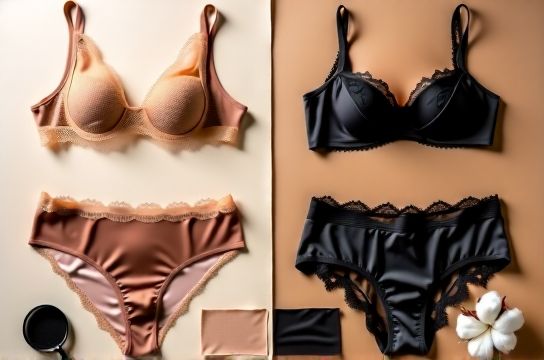
The Great Fabric Face-Off
Synthetic fabrics like nylon, polyester, and spandex dominate the lingerie aisle—and for good reason. They’re durable, stretchy, and hold vibrant colors like a dream. On the flip side, natural fibers such as cotton, silk, and bamboo bring breathability, comfort, and eco-friendly cred.
But here’s the twist: it’s not always a clear-cut choice. Your lifestyle, skin sensitivity, and even climate play huge roles in what works best.
Pros & Cons at a Glance
To help break it down, here’s a quick comparison:
| Fabric Type | Pros | Cons | Best For |
|---|---|---|---|
| Nylon/Polyester | Stretchy, durable, affordable, color-fast | Less breathable, can trap moisture | Everyday wear, shaping styles |
| Spandex (Elastane) | High elasticity (up to 5x stretch), retains shape | Not breathable, degrades with heat | Seamless & shapewear |
| Cotton | Breathable, hypoallergenic, biodegradable | Limited stretch, absorbs moisture | Sensitive skin, daily basics |
| Silk | Luxurious feel, temperature-regulating | Delicate, expensive, high maintenance | Luxury loungewear, bridal sets |
| Bamboo | Soft, antimicrobial, eco-friendly | Often blended, varies in quality | Eco-conscious buyers |
Why Synthetics Rule the Market
About 68% of mass-market lingerie uses synthetic blends (Statista, 2023). Why? Cost efficiency and performance. Brands can create ultra-thin, invisible styles that move with your body—think seamless thongs or push-up bras with molded cups. Plus, synthetics allow for intricate laser-cut designs without fraying.
But there’s a catch: sweat. Synthetic fabrics aren’t great at wicking moisture. If you're active or live in a humid climate, this could mean discomfort—or worse, irritation.
The Natural Appeal
Natural materials shine when comfort and health come first. Cotton is the go-to for sensitive skin, while silk offers a silky-smooth glide that reduces friction. Bamboo is rising fast thanks to its sustainable rep and buttery texture.
The downside? Pure natural fibers often lack the structure needed for support. That’s why many brands now use blends—like 90% cotton + 10% spandex—to get the best of both worlds.
What’s Trending in 2024?
- Eco-luxury: More brands are using TENCEL™, recycled nylon, and organic cotton.
- Hybrid Designs: Combining silk tops with mesh lace (polyester) sides for balance.
- Transparency: Labels now proudly display fiber origins and care tips.
In short, the future of lingerie isn’t about choosing one over the other—it’s about smart blending.
The Final Stitch
Whether you lean synthetic or natural, the best lingerie makes you feel confident and comfortable. Consider your needs: want sleek and sturdy? Go synthetic. Craving softness and sustainability? Natural’s your jam. Or better yet—mix and match. After all, your wardrobe should be as versatile as you are.