Materials Guide to Common Lingerie Fabrics Revealed
- 时间:
- 浏览:284
- 来源:CN Lingerie Hub
Ever slipped into a lacey number only to feel itchy, sweaty, or just… off? Yeah, we’ve all been there. The secret to that perfect fit and feel isn’t just about size—it’s all in the fabric. Let’s pull back the curtain on the most common lingerie materials, so you can shop smarter, feel sexier, and avoid fashion faux pas.
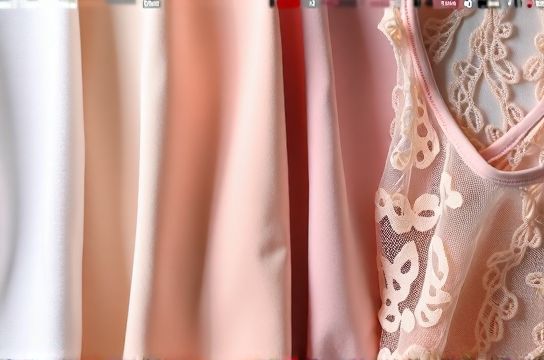
Why Fabric Matters in Lingerie
Your lingerie touches your skin more than any other clothing—so material choice impacts comfort, breathability, durability, and even skin health. Whether you're into sultry satin or cozy cotton, knowing what you’re wearing (and why) makes all the difference.
The Top 5 Lingerie Fabrics Decoded
1. Cotton – The Comfort King
Natural, breathable, and hypoallergenic—cotton is the go-to for everyday wear. Ideal for sensitive skin, it wicks moisture and reduces irritation.
- Pros: Soft, breathable, eco-friendly
- Cons: Less stretch, can lose shape over time
- Best for: Daily bras, panties, maternity wear
2. Nylon – The Smooth Operator
A synthetic superstar, nylon brings durability and a silky texture. Often blended with spandex for stretch, it's a staple in seamless styles.
- Pros: Durable, smooth, wrinkle-resistant
- Cons: Less breathable, not biodegradable
- Best for: T-shirt bras, shapewear
3. Polyester – The Budget-Friendly Performer
Widely used for its strength and low cost. Modern microfiber polyester can be surprisingly soft and moisture-wicking.
- Pros: Affordable, colorfast, quick-drying
- Cons: Can trap heat, less eco-friendly
- Best for: Everyday sets, sporty lingerie
4. Silk – The Luxe Legend
Nature’s red carpet fabric. Real silk feels divine, regulates temperature, and looks effortlessly elegant.
- Pros: Ultra-soft, luxurious, naturally thermoregulating
- Cons: Expensive, delicate, needs hand-washing
- Best for: Bridal sets, special occasions
5. Lace – Beauty with a Backbone
Not a base fabric, but a design game-changer. Usually made from nylon or polyester, lace adds allure without sacrificing structure.
- Pros: Feminine, stretchy, decorative
- Cons: Can snag, may irritate sensitive skin
- Best for: Bras, babydolls, straps
Fabric Face-Off: A Quick Comparison
| Fabric | Breathability | Stretch | Durability | Eco-Friendliness |
|---|---|---|---|---|
| Cotton | ★★★★★ | ★★★☆☆ | ★★★★☆ | ★★★★★ |
| Nylon | ★★★☆☆ | ★★★★☆ | ★★★★★ | ★★☆☆☆ |
| Polyester | ★★★☆☆ | ★★★★☆ | ★★★★★ | ★☆☆☆☆ |
| Silk | ★★★★☆ | ★★☆☆☆ | ★★★☆☆ | ★★★★☆ |
| Lace | ★★★☆☆ | ★★★★☆ | ★★★☆☆ | ★★☆☆☆ |
Rating: ★ = Poor, ★★★★★ = Excellent
Pro Tips for Choosing Your Perfect Fit
- For sensitive skin: Stick to cotton or silk.
- For workouts or hot days: Look for moisture-wicking blends like microfiber polyester.
- For longevity: Nylon-spandex mixes hold shape best.
- For luxury: Invest in real silk—just follow care instructions!
Bottom line? The best lingerie feels as good as it looks. Now that you know your fabrics, you can choose with confidence—not just based on style, but on substance.