How Temperature Affects Lingerie Material Integrity
- 时间:
- 浏览:242
- 来源:CN Lingerie Hub
If you've ever pulled your favorite lace bra out of the drawer only to find it brittle, stretched, or discolored—temperature might be the silent culprit. As a lingerie stylist with over a decade in fabric care and design, I’ve seen how extreme heat and cold quietly sabotage even high-end undergarments. Let’s break down how temperature impacts common lingerie materials—and what you can do to protect your investment.
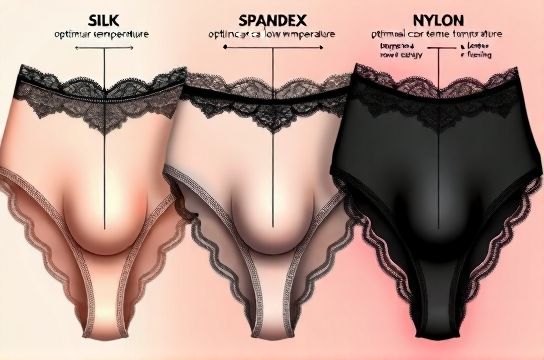
Why Fabric Reacts to Temperature
Lingerie isn’t just about looks—it’s engineering. Most pieces blend delicate fibers like silk, lace (often nylon or polyester), and spandex for stretch. These materials expand and contract at different rates when exposed to temperature swings. Over time, that stress leads to weakened seams, loss of elasticity, and premature wear.
Take spandex, for example. Studies show that prolonged exposure to temperatures above 86°F (30°C) causes spandex fibers to degrade by up to 30% faster. That means your go-to shaping briefs may lose their grip not because they’re old—but because they were stored on a radiator or left in a hot car.
Material Breakdown: Heat vs. Cold Exposure
Not all fabrics react the same way. Here's how common materials hold up:
| Material | Heat Impact (Above 85°F) | Cold Impact (Below 40°F) | Recommended Storage |
|---|---|---|---|
| Silk | Fades & weakens rapidly | Minimal effect | 60–70°F, dry place |
| Nylon/Lace | Losens elasticity | Becomes brittle | Room temp, avoid plastic |
| Spandex Blend | Up to 30% faster degradation | Slight stiffening | Below 75°F, flat storage |
| Cotton | Shrinks if damp | No major issues | Dry, ventilated area |
As you can see, heat is the biggest threat to lingerie material integrity. But cold isn’t harmless—especially for synthetic lace. Ever noticed tiny cracks in your winter-stored teddy? That’s thermal shock from moving from freezing temps to warm air too fast.
Real-World Scenarios That Damage Lingerie
- Washing in hot water: Even 104°F (40°C) can melt spandex cores. Always use cold or lukewarm cycles.
- Storing in attics or cars: Summer temps can soar past 110°F—disaster for silk and elastics.
- Drying near heaters: Direct heat breaks down fibers 3x faster than air drying at room temp.
Pro tip: Rotate seasonal lingerie. Store summer pieces in breathable cotton bags away from sunlight. Winter sets? Keep them folded—not hung—to prevent stretching in colder, stiffer conditions.
Ultimately, preserving your lingerie isn’t just about washing instructions. It’s about understanding how temperature affects fabric longevity. Treat your intimates like fine art: climate-controlled, gently handled, and thoughtfully stored. Your drawers (and confidence) will thank you.