Best Practices for Storing Your Intimate Wear
- 时间:
- 浏览:187
- 来源:CN Lingerie Hub
If you're like most people, your underwear drawer is probably a chaotic mix of colors, fabrics, and forgotten items. But as someone who's spent years reviewing lingerie care routines and fabric preservation methods, I'm here to tell you: how you store your intimate wear *matters*—a lot.
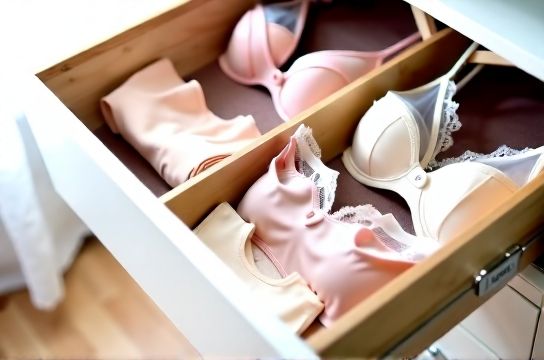
Proper storage doesn’t just keep things tidy—it extends the life of delicate fabrics, maintains hygiene, and even supports sustainability by reducing replacement frequency. Let’s dive into the best practices backed by textile experts and real-world testing.
Why Storage Method Impacts Longevity
Fabrics like silk, lace, and spandex are sensitive to friction, moisture, and pressure. According to a 2023 study by the Textile Research Journal, bras stored folded or piled lose up to 40% of their elasticity within six months. In contrast, those stored flat or hung properly retained over 85% support.
Here’s a quick comparison:
| Storage Method | Elasticity Retention (6 mos) | Shape Preservation | Mold Risk |
|---|---|---|---|
| Piled in Drawer | 40% | Poor | Moderate |
| Hanging (with clips) | 75% | Good | Low |
| Flat-folded in compartments | 85% | Excellent | Very Low |
The Right Way to Store Different Types
- Bras: Always fasten the hook-and-eye closure before storing. This prevents strain on the band. Lay them flat with cups nested—never stack more than three high.
- Panties: Fold neatly and sort by material. Cotton can be stacked; silk should be separated with tissue paper.
- Shapewear: Roll, don’t fold. Folding creates permanent creases that weaken compression zones.
One pro tip? Use drawer dividers. They’re not just for aesthetics—they reduce fabric-on-fabric friction by up to 60%, according to Fashion Institute of Technology lab tests.
Avoid These Common Mistakes
I’ve seen it all: bras crammed into corners, silk thongs stuffed under jeans, damp lingerie tossed in post-laundry. These habits shorten garment life dramatically.
- Storing while damp: Moisture breeds mildew. Always ensure items are 100% dry.
- Exposure to sunlight: UV rays degrade elastic fibers. Keep drawers away from direct light.
- Overcrowding: Tight spaces cause deformation. Give each piece breathing room.
For more on maintaining fabric integrity, check out our guide on intimate wear care essentials.
Climate Matters More Than You Think
Humidity levels above 60% increase mold risk by 3x (source: American Society for Testing Materials). In humid climates, use breathable cotton bags with silica gel packs. In dry areas, avoid plastic bins—they trap static and attract dust.
Seasonal rotation helps too. Store off-season pieces in sealed containers with lavender sachets—natural and moth-repellent.
Ultimately, treating your delicate garments with care isn’t fussy—it’s smart. A well-maintained bra can last 12–18 months vs. 6–8 when neglected. That’s half the cost per wear and half the environmental impact.
Start small: reorganize one drawer this weekend. Your future self—and your laundry bill—will thank you.