How to Pick Lingerie Size After Weight Change
- 时间:
- 浏览:228
- 来源:CN Lingerie Hub
So you've lost (or gained) weight — congrats! Whether it’s 5 pounds or 50, your body has changed, and let’s be real: your old lingerie drawer? It’s officially outdated. But here’s the thing: finding your new lingerie size after weight change isn’t just about guessing or squeezing into old habits. As someone who’s helped hundreds of clients through post-weight transformation fittings, I’m spilling the tea on how to actually get it right.
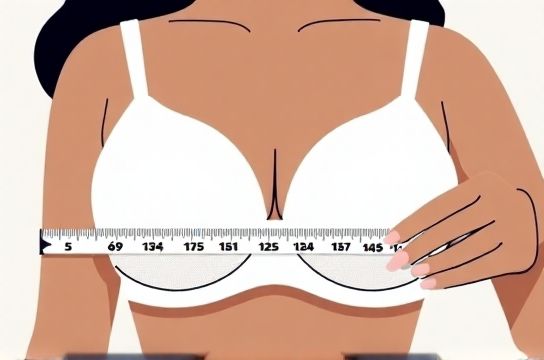
Why Your Bra and Panty Size Changes with Weight
Your bust and hips are among the first areas to shift when you lose or gain weight. A study published in the Journal of Cosmetic Dermatology found that women losing 10% of their body weight experienced an average cup size reduction of one full size. Meanwhile, those gaining weight often see band size creep up due to increased chest tissue and fat distribution.
But here's a pro tip: your bra size isn't just about your bust. The band provides 80–90% of the support. So if your ribcage has changed, your band size likely has too — even if your cup seems similar.
Step-by-Step: How to Measure Yourself Post-Weight Change
Grab a soft measuring tape — no digging, no slouching. Stand naturally in a non-padded bra or none at all.
- Band Size: Wrap the tape snugly around your torso, just under your bust. Round to the nearest whole inch. If it’s even, add 4; if odd, add 5 (this adjusts for older sizing standards still used by many brands).
- Bust Size: Measure around the fullest part of your bust, keeping the tape parallel to the floor.
- Cup Size: Subtract band from bust measurement. Each inch = one cup size (e.g., 1” = A, 2” = B, etc.).
Still unsure? Try on three sizes: your calculated one, one band smaller/cup smaller, and one band larger/cup larger. Movement matters — jump a little. If the band rides up, it’s too loose.
Lingerie Size Guide After Weight Loss or Gain
| Weight Change | Average Band Shift | Average Cup Shift | Panty Size Change |
|---|---|---|---|
| 5–10 lbs lost | ±0 | ¼–½ cup down | No change |
| 10–20 lbs lost | ↓1 band | ½–1 cup down | ↓1 size |
| 20+ lbs lost | ↓1–2 bands | 1–2 cups down | ↓1–2 sizes |
| 10–20 lbs gained | ↑1 band | ½–1 cup up | ↑1 size |
Keep in mind: this is a general guide. Hormones, muscle gain, and genetics play roles too. For example, strength training can increase chest muscle, affecting band fit without changing fat.
Don’t Forget the Pants!
Yes, panties matter. After weight change, hip and waist proportions shift. Measure your hips at the widest point and compare to brand size charts. Many lingerie brands run small — size up for comfort if between sizes.
Pro move: invest in convertible styles like seamless thongs or high-waisted briefs. They adapt better during transitional phases.
When to Get a Professional Fitting
If you’ve lost over 20 pounds or notice sagging, separation, or spillage, book a fitting. Experts use posture analysis and dynamic testing (like arm raises) to ensure long-term comfort. Bonus: many boutiques offer free fittings with purchase.
And remember: your perfect lingerie size after weight change isn’t a number — it’s how you feel. Confident, supported, and totally yourself.