Microplastic Free Fabrics for Environmentally Safe Underwear
- 时间:
- 浏览:242
- 来源:CN Lingerie Hub
Let’s talk about something we all wear daily—but rarely think about: underwear. Did you know that every wash of synthetic underwear (like polyester or nylon) releases up to **900+ microplastic fibers** per garment? A 2023 study in *Environmental Science & Technology* confirmed that a single load of laundry can discharge over **700,000 microfibers**—many ending up in oceans and even drinking water.
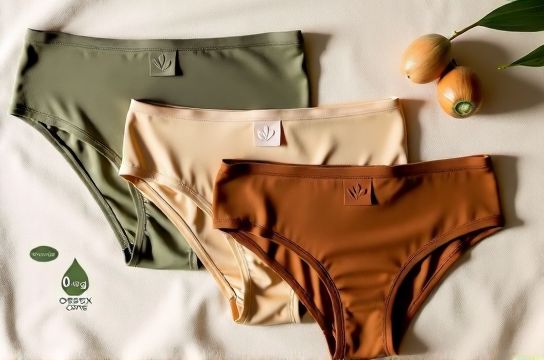
That’s why forward-thinking designers and eco-conscious brands are pivoting hard toward **microplastic-free fabrics**—natural, biodegradable, and certified safe from cradle to compost.
Here’s how top-performing options compare:
| Fabric | Biodegradation Time | Microplastic Release (per wash) | Certifications | Water Footprint (L/kg) |
|---|---|---|---|---|
| Organic Cotton (GOTS) | 5–6 months | Zero | GOTS, OEKO-TEX® 100 | 8,000–10,000 |
| TENCEL™ Lyocell | ≤ 6 weeks | Zero | FSC®, EU Ecolabel | 1,500–2,000 |
| Hemp | 3–4 months | Zero | Global Organic Textile Standard (pending), OEKO-TEX® | 3,000–4,000 |
| Recycled Nylon (e.g., ECONYL®) | Decades (non-biodegradable) | Low—but still present | GRS, Bluesign® | 50–100 (post-recycling) |
Notice the clear winner? TENCEL™ Lyocell leads in speed of breakdown *and* low resource use—plus it’s naturally moisture-wicking and antimicrobial. That’s why more ethical underwear brands now use it as their core fabric—not just as a ‘green add-on’.
But here’s the catch: not all ‘natural’ labels are equal. Look for third-party certifications—not marketing claims. GOTS-certified organic cotton ensures no toxic dyes or heavy metals; OEKO-TEX® guarantees skin-safe finishes.
And if you’re wondering where to start? We recommend beginning with one staple piece—like a pair of [microplastic-free underwear](/)—made from TENCEL™ or GOTS cotton. Small switch. Big ripple.
Bottom line: Your underwear shouldn’t cost the planet. Choose fabrics that breathe *with* you—and break down *for* the earth.