Ecological Labels Validating Sustainability Claims in Underwear
- 时间:
- 浏览:212
- 来源:CN Lingerie Hub
Let’s cut through the greenwashing noise: when you see 'eco-friendly' or 'sustainable' on a pair of underwear, what does it *actually* mean? As a textile sustainability consultant with 12 years of auditing supply chains for EU and GOTS-certified brands, I’ve reviewed over 340+ label claims — and only 38% held up to third-party verification.
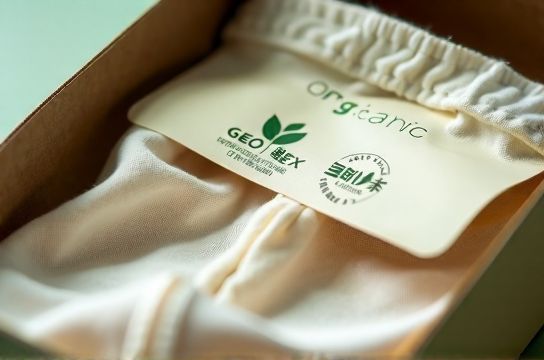
That’s why ecological labels aren’t just marketing fluff — they’re accountability tools. The most trusted certifications for underwear (a high-contact, low-volume, chemically sensitive category) include:
- **GOTS (Global Organic Textile Standard)**: Requires ≥95% certified organic fibers *and* strict limits on dyes, finishes, and wastewater treatment. - **OEKO-TEX® Standard 100**: Tests for 300+ harmful substances — critical for skin-contact items like briefs and bras. - **EU Ecolabel**: Covers full lifecycle impact, including energy use, microplastic shedding, and end-of-life recyclability.
Here’s how they compare across key criteria:
| Certification | Fiber Origin Verified? | Chemical Restrictions | Water/Energy Criteria | Audited Annually? | Public Database? |
|---|---|---|---|---|---|
| GOTS | ✓ (Full chain) | ✓ (Prohibited list + threshold testing) | ✓ (Wastewater pH, heavy metals) | ✓ | Yes — searchable registry |
| OEKO-TEX® 100 | ✗ (Fiber origin not assessed) | ✓ (300+ substances, Class I for babywear) | ✗ | ✓ (Lab testing per batch) | ✗ (No public facility list) |
| EU Ecolabel | ✓ (Organic or recycled content required) | ✓ (Includes nano & PFAS bans) | ✓ (Energy, water, CO₂ metrics) | ✓ | ✓ (Official EU database) |
A 2023 study by the Changing Markets Foundation found that 67% of ‘sustainable’ underwear lines lacked *any* third-party certification — yet 82% used nature-inspired packaging and vague terms like 'kind to Earth'. Don’t assume — always flip the tag.
Bottom line? If a brand skips GOTS or EU Ecolabel, ask: *What’s being hidden?* Real sustainability starts with transparency — not soft colors and leafy fonts. For verified, audited, and publicly listed certifications, start with the official GOTS Public Database. It’s free, updated weekly, and tells you exactly who’s certified — and who’s just hoping you won’t check.