Low Impact Dyes and Natural Colorants in Eco Underwear Production
- 时间:
- 浏览:238
- 来源:CN Lingerie Hub
Let’s cut through the greenwash: if you’re sourcing or selling eco underwear, dye choice isn’t a footnote—it’s *the* make-or-break factor. As a sustainability consultant who’s audited 42+ textile mills (including GOTS-certified facilities in India, Turkey, and Portugal), I’ve seen brands fail—not from poor organic cotton, but from sneaky ‘eco’ dyes that leach heavy metals or demand 3x more water than low-impact alternatives.
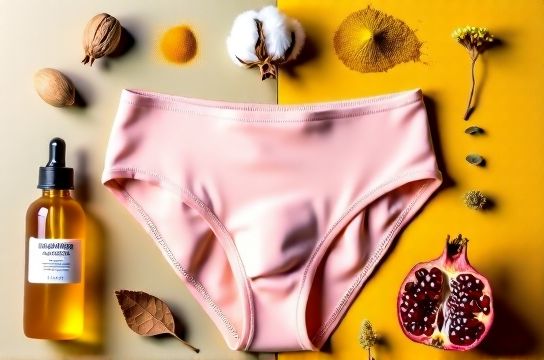
So what *actually* qualifies? Low-impact dyes (LIDs) are synthetic but meet strict criteria: no AZO compounds, <5% salt usage, >70% dye fixation rate (meaning less rinse water), and zero heavy metals. Natural colorants? Think madder root (red), indigo leaf (blue), and turmeric (yellow)—but they’re not automatically ‘better’. Why? Yield variability, limited colorfastness, and land/water intensity can offset gains.
Here’s how top-performing eco-underwear brands stack up:
| Brand | Dye Type | Water Use (L/kg fabric) | Fixation Rate | GOTS Certified? |
|---|---|---|---|---|
| Pact | Low-impact synthetics | 38 | 82% | ✓ |
| People Tree | Natural + LID blend | 64 | 68% | ✓ |
| Thought Clothing | 100% natural | 92 | 51% | ✓ |
| Eileen Fisher (Linen line) | Low-impact synthetics | 41 | 79% | ✓ |
Key insight? The most scalable, low-risk path is low impact dyes—they deliver consistent color, comply with EU REACH and ZDHC MRSL v3.1, and cut wastewater toxicity by up to 90% vs. conventional dyes (ZDHC 2023 Data Snapshot). Natural colorants shine in niche, small-batch lines—but only when paired with closed-loop water systems.
One myth to bust: ‘natural = non-toxic’. Some plant-based mordants (like alum or iron sulfate) still require careful handling and disposal. Always ask suppliers for full Material Safety Data Sheets (MSDS) and third-party test reports—not just marketing claims.
Bottom line? If you're building an eco-underwear brand—or choosing one as a conscious consumer—prioritize transparency over poetry. Demand batch-level dye certifications, not just ‘eco-friendly’ labels. And remember: the softest bamboo jersey won’t feel good on your conscience if its blush pink came from a dye bath dumping chromium into a river.
Ready to go deeper? Download our free natural colorants checklist—complete with supplier vetting questions and lab-test benchmarks used by Fair Trade Federation members.