Air Dyeing Technology Reduces Water Usage
- 时间:
- 浏览:183
- 来源:CN Lingerie Hub
If you're into sustainable fashion or eco-friendly textile innovation, you've probably heard whispers about air dyeing technology. But what exactly is it, and why should you care? Let me break it down with real data, not just greenwashing fluff.
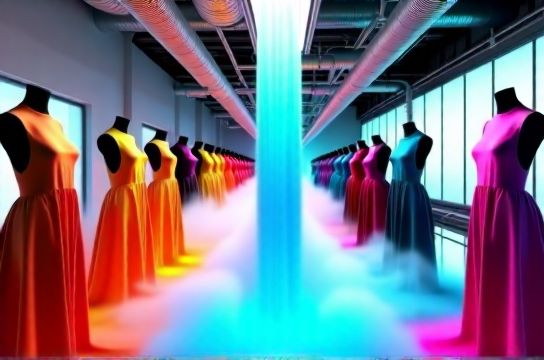
Traditional fabric dyeing is a massive environmental burden. Did you know it takes about 100–150 liters of water to dye just 1 kilogram of fabric? On top of that, it releases toxic wastewater into rivers—especially in fast-fashion manufacturing hubs. Enter air dyeing technology, a game-changer that slashes water use by up to 95%.
So how does it work? Instead of submerging fabrics in water-based dyes, air dyeing uses vaporized dyes applied under pressure. The dye molecules bond directly to the fibers—no water needed. It’s like steaming your clothes clean, but in reverse: you're adding color, not removing stains.
The benefits go beyond conservation:
- Up to 86% less energy used
- Reduced carbon emissions by ~50%
- No saline wastewater discharge
- Brighter, longer-lasting colors due to deeper fiber penetration
One of the pioneers in this space is DyeCoo, a Dutch company that’s partnered with big names like Nike and Adidas. Their CO₂ dyeing process uses recycled carbon dioxide instead of water—yes, the same CO₂ we emit—trapped and reused in a closed-loop system. Talk about turning pollution into progress.
Let’s look at the numbers side-by-side:
| Factor | Traditional Dyeing | Air Dyeing (CO₂) |
|---|---|---|
| Water Used (per kg fabric) | 100–150 L | 0 L |
| Energy Consumption | High (heating water) | 30–40% lower |
| Dye Uptake Efficiency | ~80% | ~95–98% |
| Wastewater Produced | High (toxic runoff) | None |
Now, here’s the catch: air dyeing isn’t perfect yet. It currently works best with synthetic fabrics like polyester, not natural fibers like cotton. That limits its application—but considering polyester makes up over 52% of global fiber production (Textile Exchange, 2023), it’s still a huge win.
Also, the machinery cost is high. A single DyeCoo machine runs around $2.5 million, which puts it out of reach for small manufacturers. But as demand grows and tech scales, prices will drop—just like solar panels did.
For conscious consumers, the takeaway is clear: support brands adopting waterless dyeing methods. Look for certifications like Bluesign or ask retailers directly. Every purchase is a vote for the kind of world you want.
In short, air dyeing technology reduces water usage dramatically while improving efficiency and color quality. It’s not a sci-fi dream—it’s here, now, and scaling fast. The future of fashion doesn’t have to be dirty.