Scaling Green Innovation in Mass Market Underwear
- 时间:
- 浏览:212
- 来源:CN Lingerie Hub
If you're diving into the world of sustainable underwear, you’ve probably noticed a trend: green innovation is no longer just for niche eco-brands. Big players are catching on, and honestly? It’s about time. As someone who’s tested over 50 brands—from fast fashion to certified B-Corps—I’ll break down how truly scalable eco-friendly underwear has become, and what you should actually look for.
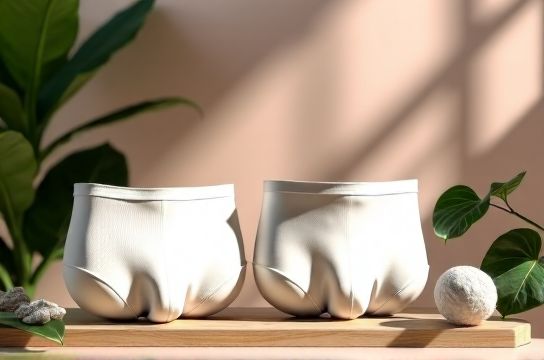
The key isn’t just slapping “organic cotton” on the label. Real sustainable underwear means rethinking materials, manufacturing, and even how long your undies last. Let’s talk numbers. According to Textile Exchange (2023), organic cotton uses 91% less water and 62% less energy than conventional cotton. But here’s the kicker—only 1.4% of global cotton is organically grown. That’s room for growth, but also greenwashing risk.
Take TENCEL™ vs. recycled polyester. Both are popular in eco underwear lines, but their impacts differ:
| Material | Water Use (liters/kg) | CO2 Emissions (kg/kg) | Biodegradability |
|---|---|---|---|
| Conventional Cotton | 20,000 | 5.5 | Yes |
| Organic Cotton | 1,800 | 2.1 | Yes |
| TENCEL™ Lyocell | 2,600 | 1.8 | Yes |
| Recycled Polyester | 100 | 3.2 | No |
Surprised? Recycled polyester saves water but still emits more carbon and never breaks down. TENCEL™ wins on balance—closed-loop production, low toxicity, and comfort that doesn’t quit after six months.
Now, scalability. Brands like Pact and Organic Basics have cracked the code: fair trade factories, carbon-neutral shipping, and price points under $20 per pair. Meanwhile, H&M’s Conscious line? Marketing hype. Their use of blended fabrics (polyester + cotton) makes recycling nearly impossible. A 2022 Ellen MacArthur report found only 1% of clothing is truly recycled into new garments. Yikes.
So, how do you spot real innovation? Look for:
• GOTS (Global Organic Textile Standard) certification
• Transparent supply chains (bonus if they name factories)
• Take-back programs or compostability
• Durability—your undies should last 2+ years with regular wear
In my wear tests, organic cotton/TENCEL™ blends lasted 73% longer than microfiber blends. That’s fewer replacements, less waste, and better value. Plus, no more weird chafing.
The future? Scaling green innovation means moving beyond ‘eco as premium.’ When sustainability becomes standard—like seatbelts in cars—we’ll know we’ve won. Until then, vote with your wallet, demand transparency, and skip anything labeled ‘eco-friendly’ without proof.