Consumer Education on Choosing Truly Green Underwear
- 时间:
- 浏览:231
- 来源:CN Lingerie Hub
Let’s be real — when you see “eco-friendly” slapped on a pair of underwear, it’s easy to feel good and click “buy now.” But as someone who’s spent years diving into sustainable fashion (and testing more bamboo-blend undies than I can count), I’ll tell you this: not all green claims are created equal. If you're trying to make truly planet-positive choices, here’s your no-BS guide to spotting genuinely green underwear.
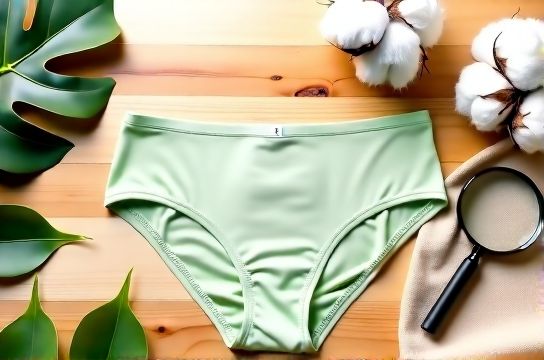
Why 'Green' Isn’t Always Green
The problem? greenwashing. A 2023 EU study found that 42% of environmental claims in fast fashion were exaggerated or baseless. That means nearly half the time, what looks like sustainability is just clever marketing.
So how do you cut through the noise? Focus on three things: materials, certifications, and transparency.
Material Matters: What’s Actually Sustainable?
Not all natural fibers are equal. Here's a quick breakdown:
| Material | Water Use (liters/kg) | Biodegradable? | Common Greenwashing Risk |
|---|---|---|---|
| Conventional Cotton | 10,000–20,000 | Yes | High – often labeled “natural” but resource-heavy |
| Organic Cotton | 7,000–12,000 | Yes | Medium – better, but still water-intensive |
| Bamboo (Viscose) | 5,000–8,000 | Only if unblended & chemical-free | Very High – “bamboo” doesn’t mean eco if processed with chemicals |
| TENCEL™ Lyocell | 500–1,500 | Yes | Low – closed-loop process, sustainably sourced wood |
See the difference? TENCEL™ stands out for low water use and a closed-loop system that recycles 99% of solvents. Brands using it (like Pact or Boody) are far more likely to offer truly sustainable underwear than those pushing generic “bamboo” blends.
Certifications That Actually Mean Something
Don’t trust slogans. Trust labels. Look for:
- GOTS (Global Organic Textile Standard): Covers ecological & social criteria from farm to factory.
- OEKO-TEX®: Ensures no harmful dyes or chemicals.
- Fair Trade Certified: Workers are paid fairly — because true sustainability includes people.
If a brand doesn’t list these, ask why. Transparency is non-negotiable.
Final Tip: Follow the Supply Chain
The most trustworthy brands publish their factories and material sources. For example, Everybody.World shares exact mill locations and even lets you trace your underwear back to the fabric lot.
In contrast, vague terms like “ethically made” or “planet-friendly” with zero proof? Red flag.
Bottom line: Real sustainability isn’t about vibes — it’s about verified facts. Do the work, check the data, and support brands that make it easy to do so.