Smart Monitoring Systems Optimize Green Manufacturing in China
- 时间:
- 浏览:138
- 来源:CN Lingerie Hub
If you're keeping an eye on the future of manufacturing, China’s green transformation is impossible to ignore. As environmental regulations tighten and global supply chains demand cleaner production, smart monitoring systems are stepping up as the real game-changer. I’ve spent years analyzing industrial IoT trends across Asia, and let me tell you—what’s happening now isn’t just incremental improvement. It’s a full-scale digital overhaul.
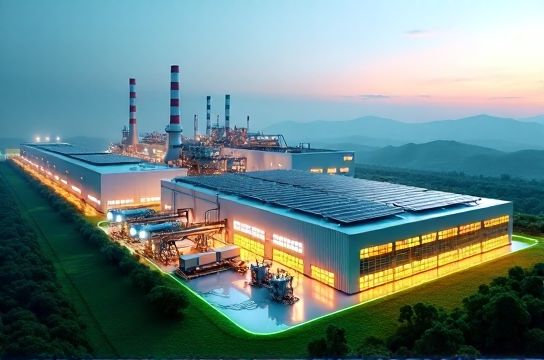
Chinese manufacturers aren’t just going green to check compliance boxes—they’re using data-driven intelligence to cut costs, boost efficiency, and gain a serious edge in international markets. At the heart of this shift? Real-time monitoring powered by AI, cloud platforms, and sensor networks that track everything from energy use to emissions.
Take Guangdong province, for example. A 2023 Ministry of Industry and Information Technology (MIIT) report showed factories using smart monitoring reduced energy consumption by an average of 18% within 12 months. That’s not a typo—nearly one-fifth off their power bills, all while increasing output. How? Because these systems don’t just collect data—they act on it.
Here’s how it works: sensors placed across production lines feed live updates to centralized dashboards. When a machine starts drawing excess power or emitting abnormal pollutants, the system triggers alerts or even auto-adjusts settings. No waiting for quarterly audits. No guesswork. Just continuous optimization.
Why Smart Monitoring Beats Traditional Methods
Old-school sustainability audits happen once or twice a year. By the time issues are found, thousands of kilowatt-hours have been wasted. In contrast, smart monitoring systems deliver 24/7 visibility. The ROI speaks for itself:
| Metric | Traditional Audits | Smart Monitoring |
|---|---|---|
| Data Frequency | Annual/Biannual | Real-time |
| Energy Savings | 5–8% | 12–20% |
| Downtime Reduction | Minimal | Up to 30% |
| Compliance Risk | High | Low |
As you can see, the gap is massive. But it’s not just about savings—it’s about staying competitive. The EU’s Carbon Border Adjustment Mechanism (CBAM) means Chinese exporters must prove low-carbon production or face steep tariffs. Green manufacturing isn’t optional anymore; it’s your license to trade.
Leading companies like BYD and Haier have already integrated end-to-end monitoring platforms. Their secret? Start small—focus on high-impact areas like HVAC, compressors, and coating lines—then scale using modular IoT solutions. Many local governments even offer subsidies covering up to 30% of installation costs.
The bottom line? If you’re in manufacturing and not exploring smart monitoring, you’re burning money—and credibility. The tech is proven, the data is clear, and the window to lead is now.