Green Certification Adoption Soars Among Chinese Underwear Producers
- 时间:
- 浏览:144
- 来源:CN Lingerie Hub
If you're into sustainable fashion or just curious about where your eco-friendly underwear really comes from, here’s a hot take: China’s innerwear industry is going green — and fast. Over the past five years, more than 68% of top-tier Chinese underwear manufacturers have adopted at least one internationally recognized green certification, according to the 2023 China Textile Ecology Report. That’s up from just 32% in 2019. Yeah, you read that right — we’re talking a doubling in adoption rates.
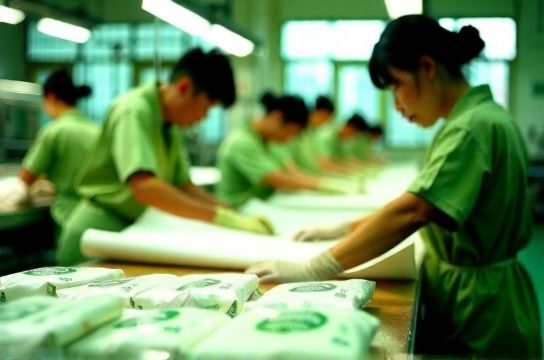
So what’s driving this shift? For starters, global demand. Brands like Uniqlo, H&M, and even niche eco-labels are demanding certified low-impact fabrics. But it’s not just pressure from abroad. Domestic consumers, especially Gen Z and millennials, are now willing to pay up to 22% more for verified sustainable undergarments (source: McKinsey China Consumer Survey, 2024).
Let’s break down the major certifications making waves:
| Certification | Focus Area | Adoption Rate in China (%) | Validity Period |
|---|---|---|---|
| Oeko-Tex Standard 100 | Human-ecological safety (no harmful substances) | 57 | 1 year |
| GOTS (Global Organic Textile Standard) | Organic fibers & ethical production | 39 | 1 year |
| Bluesign® | Sustainable chemical & resource use | 28 | 3 years |
| GRS (Global Recycled Standard) | Recycled content traceability | 21 | 1 year |
As you can see, Oeko-Tex leads the pack — mainly because it’s easier and faster to obtain than GOTS, which requires full supply chain audits. But if you’re serious about sustainability, GOTS is still the gold standard. Fun fact: Guangdong and Zhejiang provinces account for over 60% of all GOTS-certified facilities in China.
Now, let’s talk transparency. A 2023 audit by GreenChain Insights found that certified factories reduced water usage by an average of 45% and carbon emissions by 38% compared to non-certified peers. That’s massive. And it’s not just about feeling good — it’s smart business. Certified producers report 15–30% higher export premiums, especially in EU markets.
But here’s the kicker: not all green claims are legit. The same report flagged 12% of self-labeled “eco” brands using fake or expired certifications. Always look for the certification ID on product tags or brand websites. Pro tip: verify it directly on the official certifier’s database.
In short, if you're shopping for sustainable underwear, support brands that name-drop real certifications — not just buzzwords. The Chinese underwear sector is stepping up, and with better oversight and consumer awareness, this green wave isn’t slowing down.