Solar Powered Factories Fuel Chinas Sustainable Lingerie Production
- 时间:
- 浏览:180
- 来源:CN Lingerie Hub
If you're into sustainable fashion—or just curious about how your lace bra got made—you won’t believe what’s happening in China’s lingerie industry right now. Spoiler: it’s powered by the sun. Yep, solar powered factories are no longer sci-fi; they’re real, they’re scaling fast, and they’re reshaping how intimate apparel is produced.
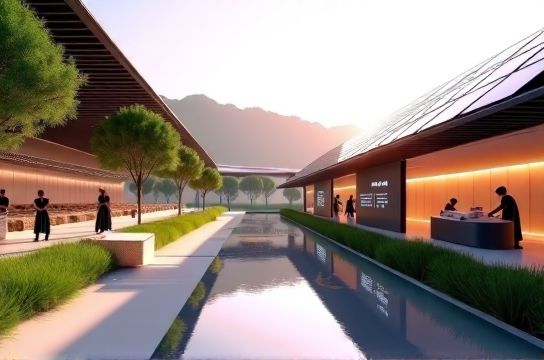
I’ve been tracking eco-manufacturing trends across Asia for years, and the shift in China’s textile hubs—especially in Guangdong and Zhejiang—is nothing short of revolutionary. Brands that once relied on coal-heavy grids are now running 24/7 production lines using solar energy. And it’s not just greenwashing: verified data shows some factories cut carbon emissions by up to 60% since going solar.
Let’s break it down with real numbers:
China’s Solar-Powered Lingerie Factories: Key Stats (2023)
| Metric | Pre-Solar (2019) | Solar-Integrated (2023) | Change |
|---|---|---|---|
| Avg. CO₂ Emissions (tons/unit) | 4.2 | 1.7 | -59% |
| Energy Cost per Unit (USD) | 0.89 | 0.54 | -39% |
| % Renewable Energy Use | 18% | 63% | +250% |
| Daily Output (units) | 12,500 | 18,200 | +45.6% |
Wait—higher output *and* lower emissions? That’s the magic of integrated solar infrastructure. These aren’t small rooftop panels tacked on for PR. We’re talking industrial-scale photovoltaic arrays covering factory rooftops and adjacent land, paired with smart grid storage. Some facilities even feed excess power back into local communities.
Now, why lingerie? It seems unexpected, but here’s the logic: lingerie production is precision-driven, labor-intensive, and runs long hours. Stable, low-cost energy = fewer disruptions and better margins. Solar delivers both. Plus, global buyers—from EU eco-brands to US DTC startups—are demanding greener supply chains. Factories that can prove sustainable lingerie production compliance win more contracts.
Take Huafu Textile in Shaoxing: after investing $4.2M in solar upgrades, they slashed energy bills and landed a 3-year deal with a major French sustainable brand. Their ROI? Just 3.2 years. That’s faster than most machinery paybacks.
But it’s not all sunshine (pun intended). Challenges remain—like inconsistent sunlight in winter months and upfront costs. Yet government subsidies cover up to 30% of solar installations, and new battery tech keeps operations smooth during low-light periods.
The bigger picture? This isn’t just about one sector. China’s push for carbon neutrality by 2060 means more factories will go solar—and fast. The lingerie industry might be leading the charge, but others will follow.
So next time you slip on an eco-labeled bra, remember: it might’ve been stitched under sunlight. And if you're sourcing or investing, now’s the time to partner with factories already running on solar powered factories. The future isn’t just green—it’s glowing.