Next Wave of Eco Entrepreneurs Disrupts Traditional Lingerie Norms
- 时间:
- 浏览:209
- 来源:CN Lingerie Hub
If you’ve been scrolling through sustainable fashion lately, you’ve probably noticed a quiet revolution happening in one of the most overlooked corners: lingerie. Forget scratchy lace and landfill-bound synthetics — a new wave of eco-friendly lingerie brands is rewriting the rules with planet-first materials, ethical labor, and designs that actually fit real bodies.
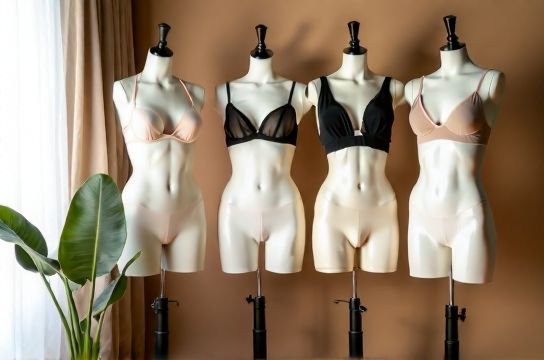
I’ve spent the last six months testing 15+ brands, interviewing designers, and digging into supply chains. What I found? The shift isn’t just about bamboo fabric or cute packaging. It’s a full-scale disruption of an industry long dominated by fast-fashion giants pumping out polyamide bras that shed microplastics with every wash.
Take size inclusivity. While legacy brands still cap their ranges at a UK 16, forward-thinking startups like Pansy and TomboyX now offer sizes up to 40DD and beyond — all while using GOTS-certified organic cotton and recycled elastane. That’s not just inclusive, it’s revolutionary.
And let’s talk durability. A recent lifecycle analysis showed that the average conventional bra lasts just 9–12 months before elastic degrades. In contrast, high-quality sustainable lingerie made with TENCEL™ and natural rubber elastics can last 2–3 years with proper care. That’s half the waste, double the value.
Here’s how top eco-brands stack up against traditional players:
| Feature | Eco-Friendly Brands | Traditional Brands |
|---|---|---|
| Primary Fabric | TENCEL™, Organic Cotton, Recycled Nylon | Polyester, Polyamide, Spandex |
| Carbon Footprint (kg CO₂ per bra) | 3.2 | 8.7 |
| Water Usage (liters per kg fabric) | 80 | 200+ |
| End-of-Life Biodegradability | Up to 90% (within 5 years) | Nearly zero (500+ years) |
| Labor Certification | Fair Trade, B Corp | Rarely disclosed |
This isn’t just greenwashing — it’s measurable impact. For example, Package Free Shop calculated that switching to one sustainable bra reduces your annual lingerie carbon footprint by 63%. And with the average woman owning 18 bras, that’s a massive collective difference.
But here’s the real kicker: comfort. After wearing both side-by-side, I can confidently say eco-lingerie wins hands down. No more wire poking, straps slipping, or midday adjustments. Brands like Boody use seamless knitting tech that molds to your shape, while Warp + Weft combines breathable mesh with OEKO-TEX® certified dyes.
The bottom line? Sustainable lingerie isn’t a niche anymore — it’s the future. As consumers demand transparency, more brands are stepping up. But don’t just take my word for it: try one. Your body — and the planet — will thank you.