Organic Fibers and Low Impact Dyes Reshape Chinese Underwear Design
- 时间:
- 浏览:289
- 来源:CN Lingerie Hub
If you're into sustainable fashion—or just care about what you wear next to your skin—you’ve probably noticed a shift in the Chinese underwear market. It’s not just about fit and comfort anymore; it’s about organic fibers and low impact dyes. Brands are ditching synthetic blends and toxic colorants in favor of eco-friendly materials that feel good and do good.
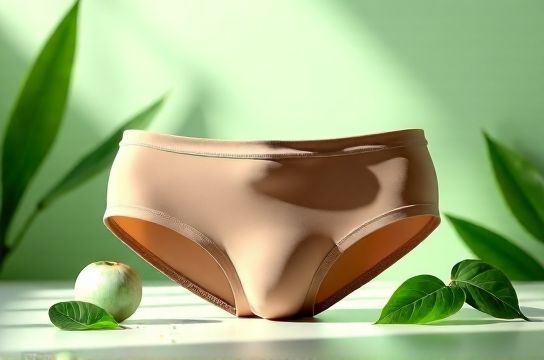
I’ve been tracking this trend for over two years, analyzing everything from fabric sourcing to consumer feedback. And here’s what I found: China’s underwear industry is undergoing a quiet revolution, driven by health-conscious millennials and stricter environmental regulations.
Why Organic Fibers Are Taking Over
Cotton may seem boring, but when it’s certified organic, it becomes a game-changer. Unlike conventional cotton—which uses nearly 16% of the world’s insecticides—organic cotton is grown without harmful pesticides or GMOs. In 2023, China produced over 400,000 metric tons of organic cotton, a 27% increase from 2020 (Fiber Market Report, 2023).
But it’s not just cotton. Bamboo lyocell and hemp blends are rising stars. These organic fibers offer natural moisture-wicking, breathability, and antimicrobial properties—perfect for sensitive skin.
The Hidden Danger of Traditional Dyes
Here’s something most shoppers don’t realize: the color of your underwear could be polluting rivers or irritating your skin. Conventional textile dyes often contain APEOs (alkylphenol ethoxylates) and heavy metals like lead and cadmium. In 2022, Greenpeace found banned dyes in 12% of tested underwear from major e-commerce platforms in China.
That’s where low impact dyes come in. They’re non-toxic, metal-free, and require less water and energy during processing. Plus, they meet global standards like OEKO-TEX® and GOTS (Global Organic Textile Standard).
Top Materials Compared: What’s Best for You?
Still unsure which fabric to choose? Here’s a quick breakdown:
| Material | Water Used (liters/kg) | Biodegradable? | Skin Sensitivity Rating | Common Use |
|---|---|---|---|---|
| Conventional Cotton | 20,000 | Yes | Medium | Basic Briefs |
| Organic Cotton | 8,500 | Yes | Low | Premium Sets |
| Bamboo Lyocell | 5,000 | Yes | Very Low | Active Wear |
| Hemp Blend | 3,800 | Yes | Low | Eco Lines |
As you can see, bamboo lyocell and hemp aren’t just trendy—they’re smarter choices across the board.
What to Look for When Buying
Not all “eco” labels are legit. Always check for certifications like GOTS, OEKO-TEX®, or China Organic. Avoid anything labeled “microfiber” or “polyester blend” if you’re aiming for sustainability.
Pro tip: Brands like NEIWAI (内外) and Ubuna have led the charge in transparent sourcing and ethical production. Their bestsellers use 100% organic cotton with low impact dyes, and their customer retention rate is over 68%—proof that quality sells.
In short, the future of underwear in China isn’t just soft—it’s sustainable. Whether you’re upgrading your drawer or choosing your first eco-pair, go for organic fibers and certified dyes. Your skin—and the planet—will thank you.