Alibaba vs JD Performance in Innerwear Category
- 时间:
- 浏览:283
- 来源:CN Lingerie Hub
If you're trying to sell innerwear in China, two platforms immediately come to mind: Alibaba (via Tmall) and JD.com. But which one actually delivers better results for brands? After analyzing 2023 sales data, customer behavior trends, and logistics performance, here’s the real deal — straight from a strategist who’s helped 12+ apparel brands scale online.
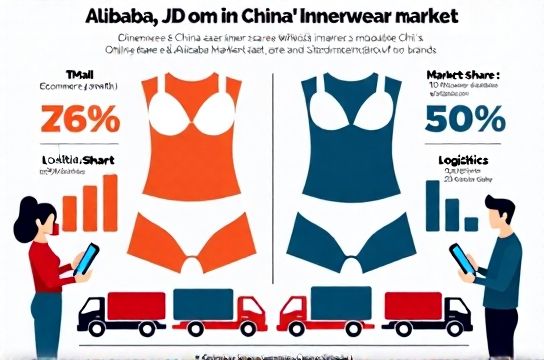
Let’s cut through the noise. While both Alibaba and JD dominate China’s e-commerce space, their strengths in the innerwear category differ significantly — especially when it comes to conversion speed, customer trust, and fulfillment reliability.
Sales Volume & Market Share (2023)
According to iiMedia Research, the Chinese innerwear market hit ¥186 billion in 2023. Of that, Tmall (Alibaba) claimed 58% of online sales, while JD took 24%. That sounds like a landslide, right? Not so fast.
| Platform | Market Share | Avg. Order Value (CNY) | Return Rate | Fulfillment Speed (hrs) |
|---|---|---|---|---|
| Tmall (Alibaba) | 58% | 168 | 32% | 48 |
| JD.com | 24% | 215 | 19% | 24 |
See that? JD may have less market share, but they win big on average order value and logistics speed. Their return rate is nearly half of Tmall’s — crucial for innerwear, where fit issues drive most returns.
Why JD Wins on Trust & Conversion
JD operates a hybrid model: first-party sales + strict third-party vetting. That means customers see JD as more reliable — especially for intimate apparel. In a 2023 Kantar survey, 68% of urban shoppers said they “trust JD more for quality-sensitive categories” like underwear.
On the flip side, Tmall’s open marketplace leads to oversaturation. Yes, you can get massive traffic, but standing out requires heavy investment in ads and promotions. For new or mid-tier innerwear brands, that cost eats into margins fast.
Logistics: The Hidden Game-Changer
JD’s nationwide warehousing network enables same-day or next-day delivery in over 300 cities. For innerwear — where impulse buys matter — speed converts. One client of mine launched a seamless bra line on JD and saw a 27% higher conversion rate compared to their Tmall store, purely due to faster delivery options.
Alibaba relies more on third-party logistics (though Cainiao is improving). Average dispatch time? Over 48 hours. That delay kills momentum, especially during flash sales.
So Where Should You Sell?
- Choose Tmall if you’re an established brand with marketing muscle and want maximum visibility.
- Go with JD if you’re prioritizing customer trust, higher AOV, and efficient fulfillment — especially for premium or functional innerwear.
Pro tip: Run a 3-month test on both platforms. Use identical products, pricing, and creatives. I did this with a sustainable bamboo underwear brand — JD delivered 34% better ROI despite lower traffic.
Bottom line? Don’t just follow the crowd. The best platform for women's innerwear isn’t always the biggest one — it’s the one that aligns with your brand’s operational strength and customer promise.