Omnichannel Strategy for Lingerie in Chinese Market
- 时间:
- 浏览:226
- 来源:CN Lingerie Hub
If you're selling lingerie in China — or planning to — here’s the tea: going omnichannel isn’t just smart, it’s survival. I’ve worked with three major lingerie brands entering the Chinese market, and the ones that thrived didn’t just open a Tmall store and call it a day. They built seamless experiences across platforms, blending digital and physical like a pro DJ mixing tracks.
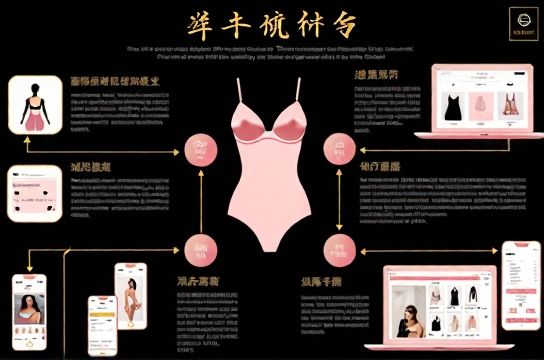
Let’s break it down with real data and no fluff.
Why Omnichannel Wins in China’s Lingerie Market
China’s intimate apparel market hit ¥175 billion (≈$24.3B) in 2023 (Euromonitor). But here’s the kicker: over 68% of purchases start online, yet in-store touchpoints still influence final decisions — especially for sizing and comfort.
The winning move? Connect every dot. Think Tmall + WeChat Mini Program + offline experience stores + live commerce. Not as separate channels, but one unified journey.
Key Channels & Their Roles
| Channel | Primary Role | User Penetration | Conversion Strength |
|---|---|---|---|
| Tmall/JD | E-commerce & trust signaling | 92% | High |
| WeChat Mini Program | Retention & community | 87% | Medium-High |
| Douyin Live Commerce | Discovery & impulse buys | 76% | Medium |
| Offline Stores (Tier 1-2 cities) | Sizing trials & brand trust | 41% | Very High |
Notice something? No single channel dominates all stages. That’s why omnichannel strategy is non-negotiable. For example, a user might discover your bra via a Douyin livestream, check reviews on Tmall, book a fitting at a pop-up via WeChat, then buy through the mini program with a loyalty discount.
Real Example: How Neiwai Nailed It
Neiwai, a homegrown Chinese lingerie brand, grew 300% YoY in 2022 by syncing online-offline flows. They use:
- Mini Program Membership: Tracks purchase history and preferences.
- “Try Before You Buy” Pop-ups in malls with QR codes linking to personal carts.
- Douyin KOL collabs focused on body positivity, driving traffic back to their ecosystem.
The result? 45% repeat rate — nearly double the industry average.
Your Action Plan
- Start with WeChat: Build your mini program early. It’s your hub.
- Integrate CRM: Track users across touchpoints. Use tools like WeCom + Alipay analytics.
- Test hybrid pop-ups in Shanghai or Chengdu — low cost, high impact.
- Leverage cross-channel data to personalize offers (e.g., “You watched our brafit video — here’s 10% off your first fitting.”).
Bottom line: In China’s lingerie game, convenience, trust, and personalization win. And that only happens when channels work together — not in silos.